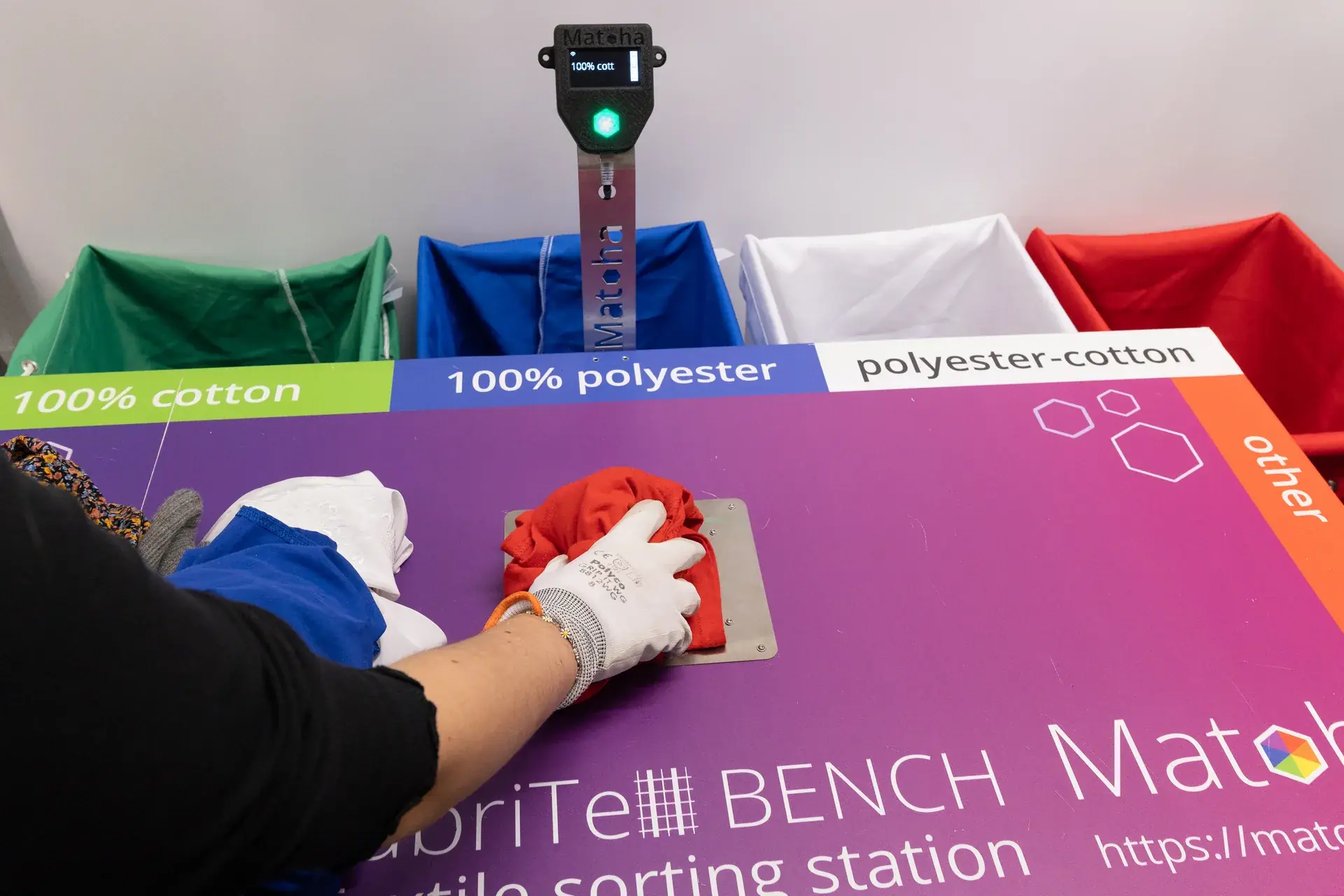
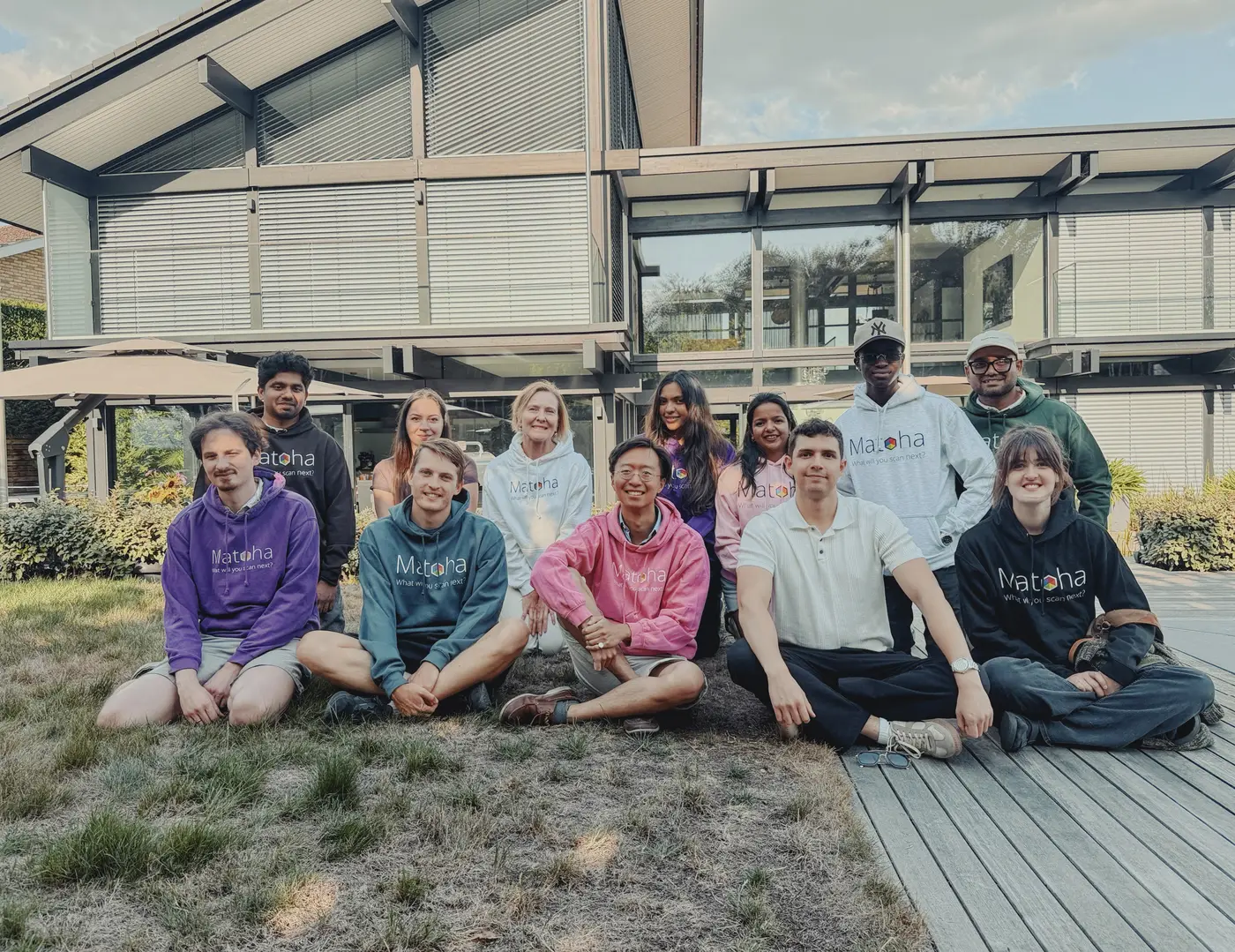
The idea started at Imperial College London, where an early version won the Faculty of Natural Sciences "Make A Difference" award in 2017. Matoha was founded in 2018, and the following year co-founders Martin and Hans walked into a textile sorting facility in East London and watched operators burning fabric scraps to identify fibres. They left with a clear problem to solve.
NIR spectroscopy had existed in labs for decades. It was proven, accurate, and fast. But the instruments cost £40,000, required trained technicians, and weren't designed for the shop floor. So we built one that was.
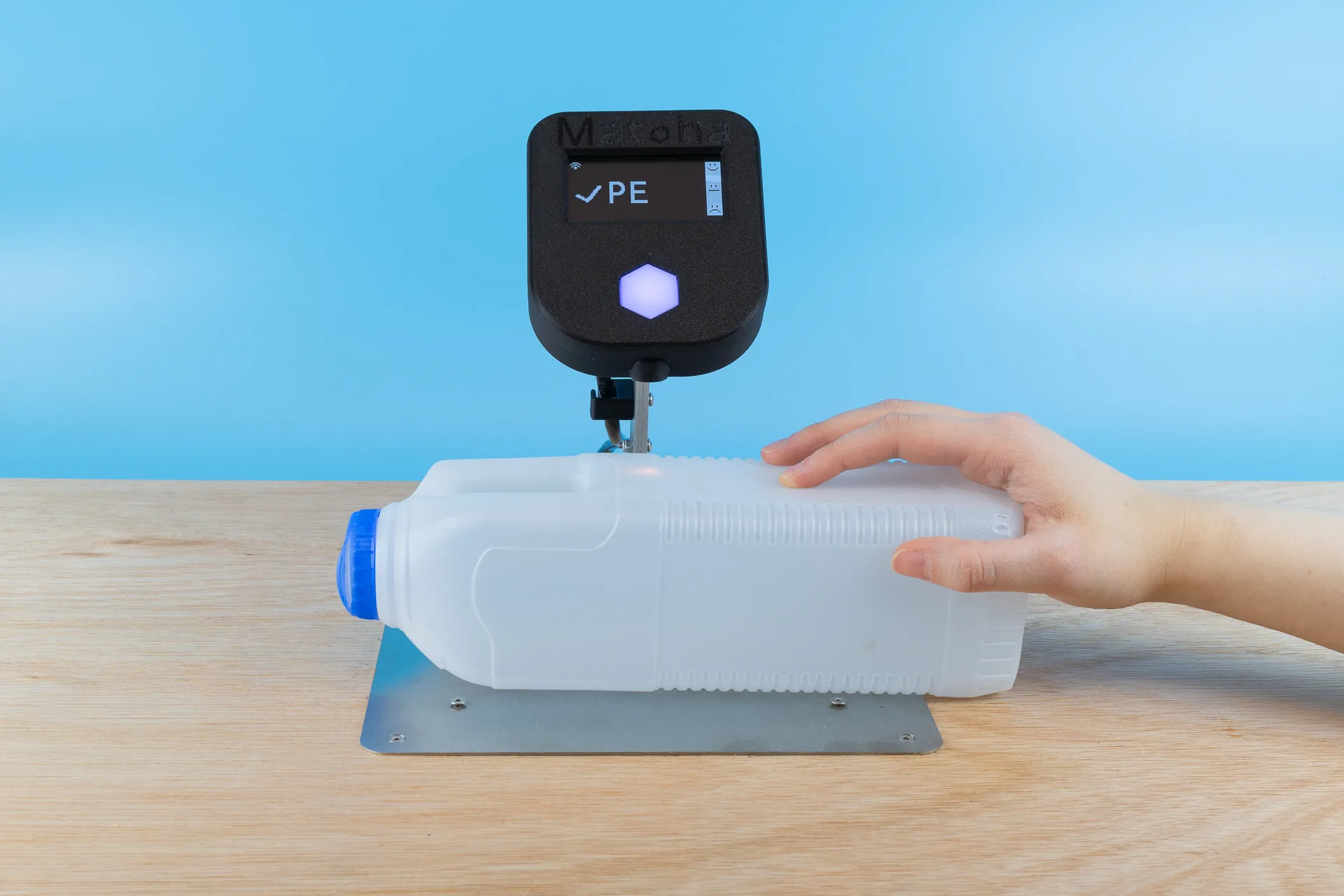
The result: a device that fits in one hand, priced to pay back within months on most sorting lines, and identifies any material in under a second, with a cloud trail that proves every scan.

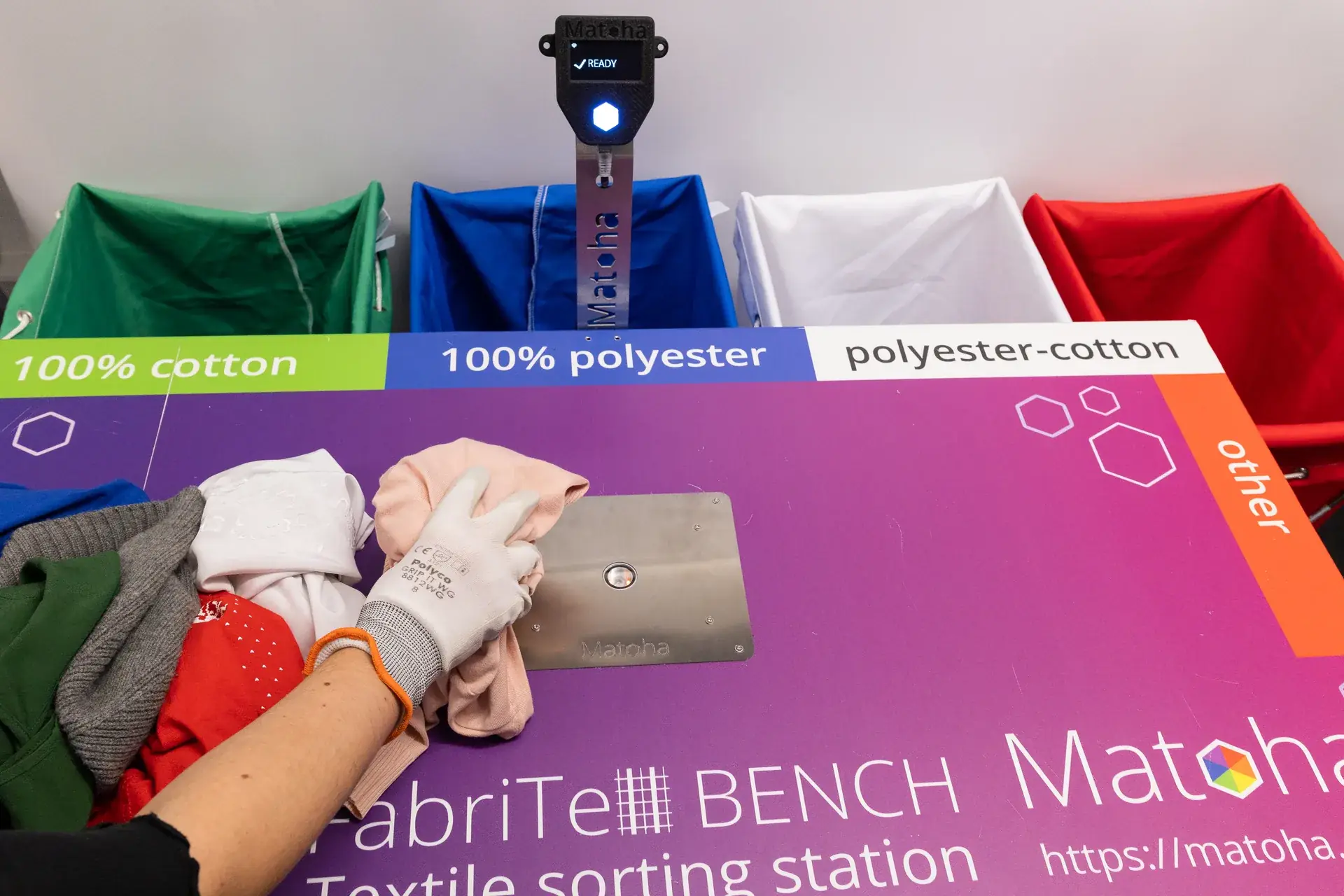
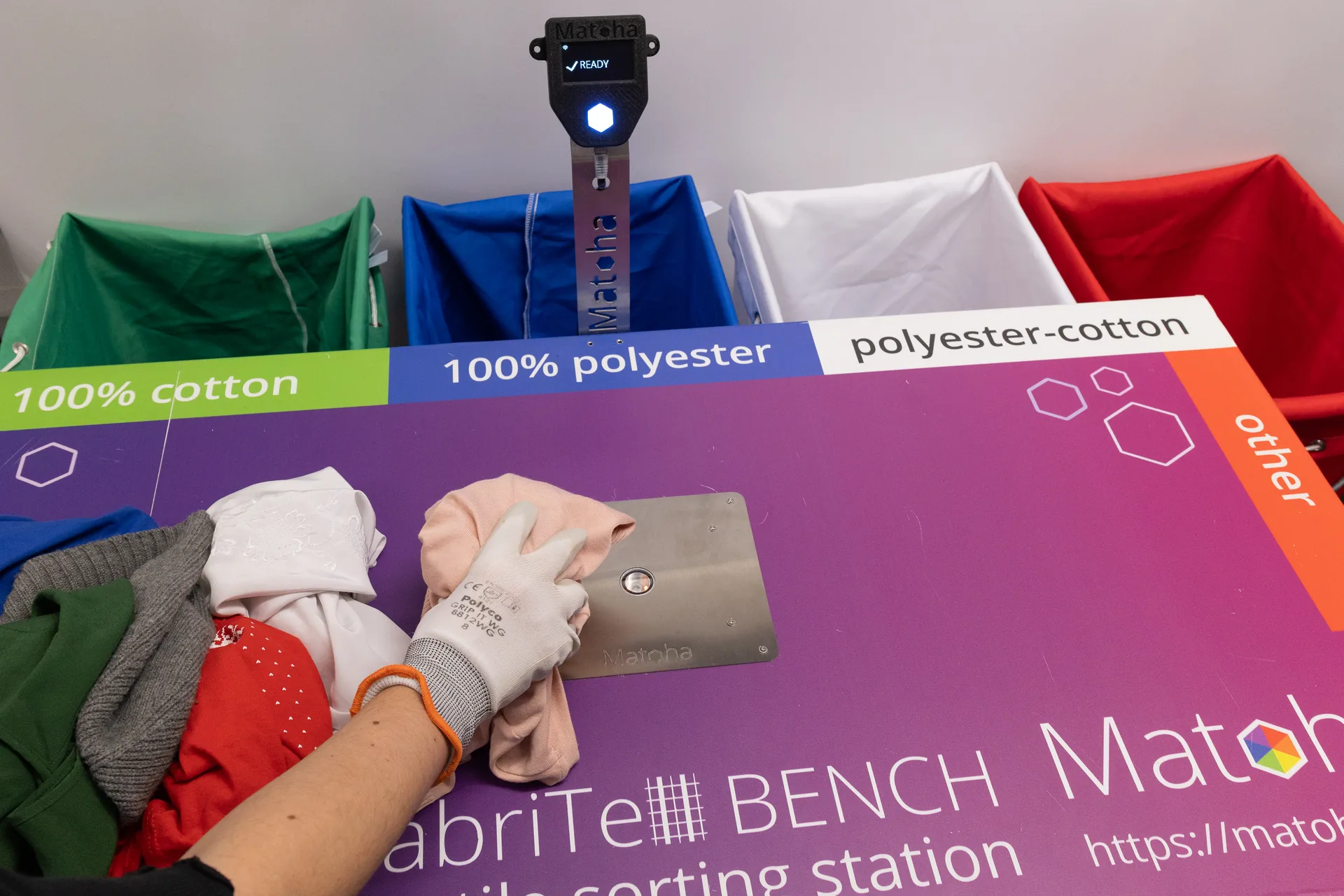
The mission doesn't stop at handheld devices. FabriBot takes the same NIR identification and puts it to work autonomously, sorting by material and colour, around the clock, without needing a new building.
Register interest →
Co-founders Martin Holicky and Hans Chan recognised in the Social Impact category.
Winner, Institute of Physics Business Awards, recognising Matoha's low-cost NIR platform.
Selected participant, delivered in partnership with EIT Climate-KIC.
2nd place, McKinsey's startup competition for high-impact ventures.
Member of Nvidia's Inception Programme for AI and deep learning startups.
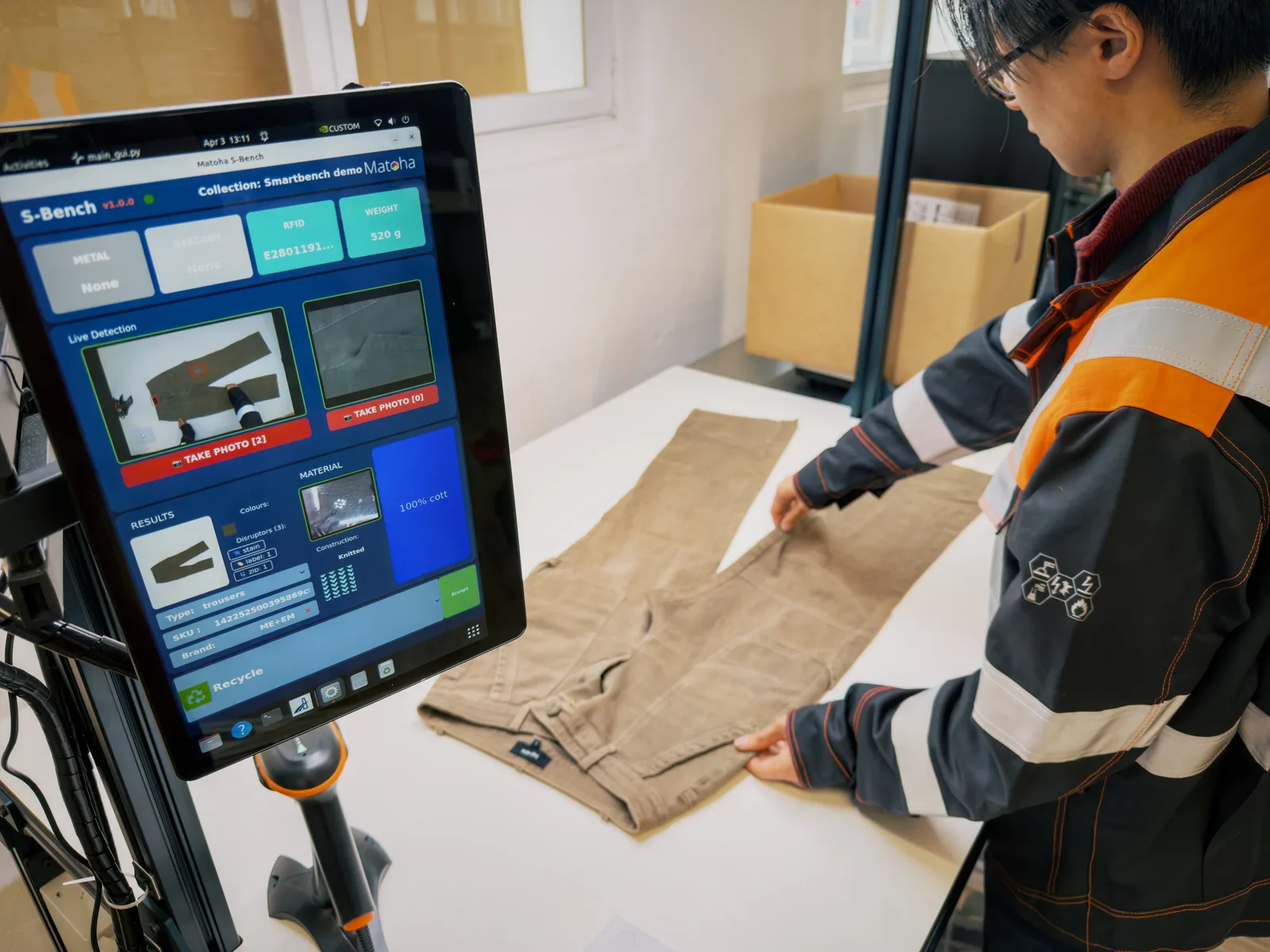
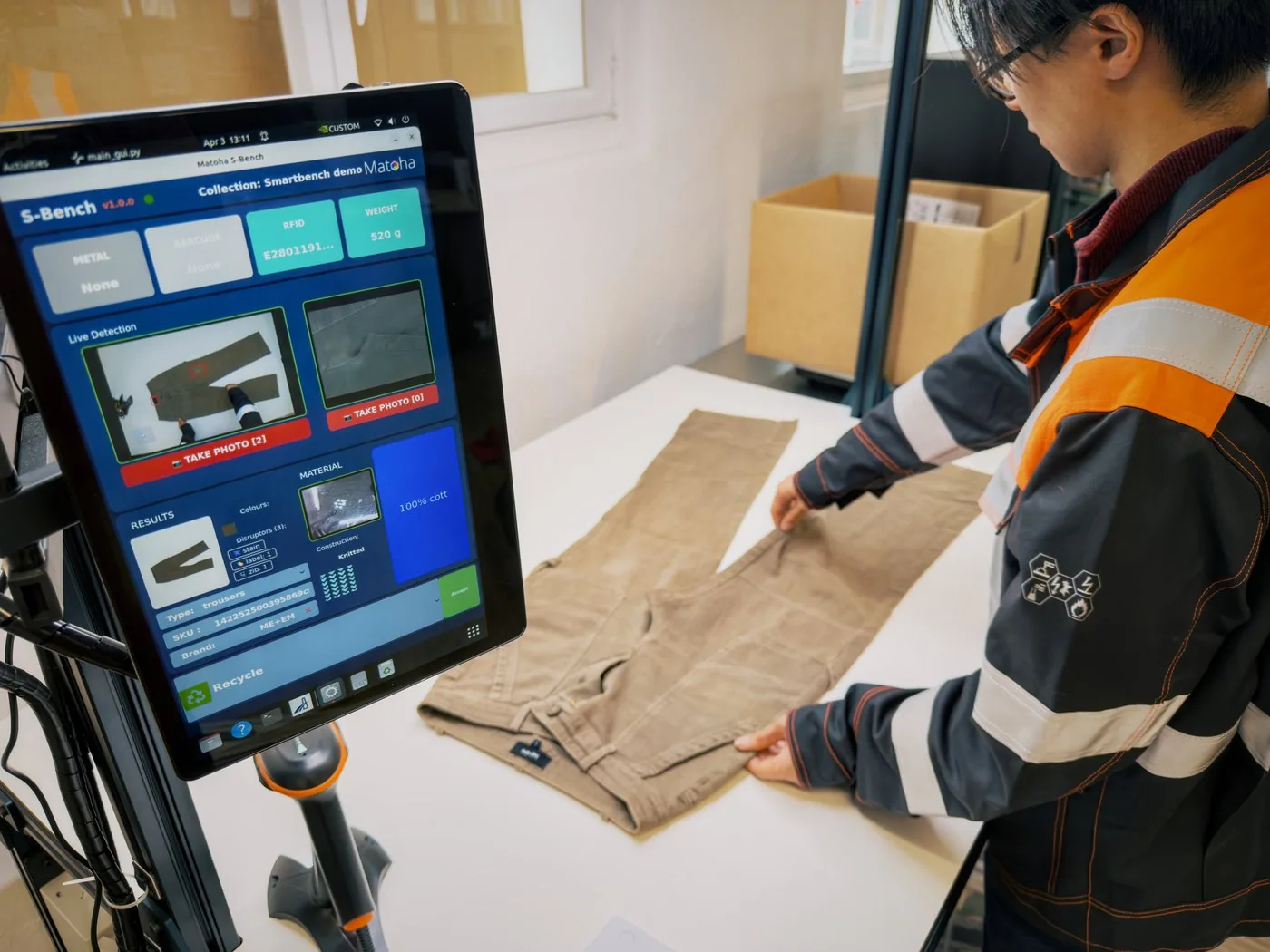
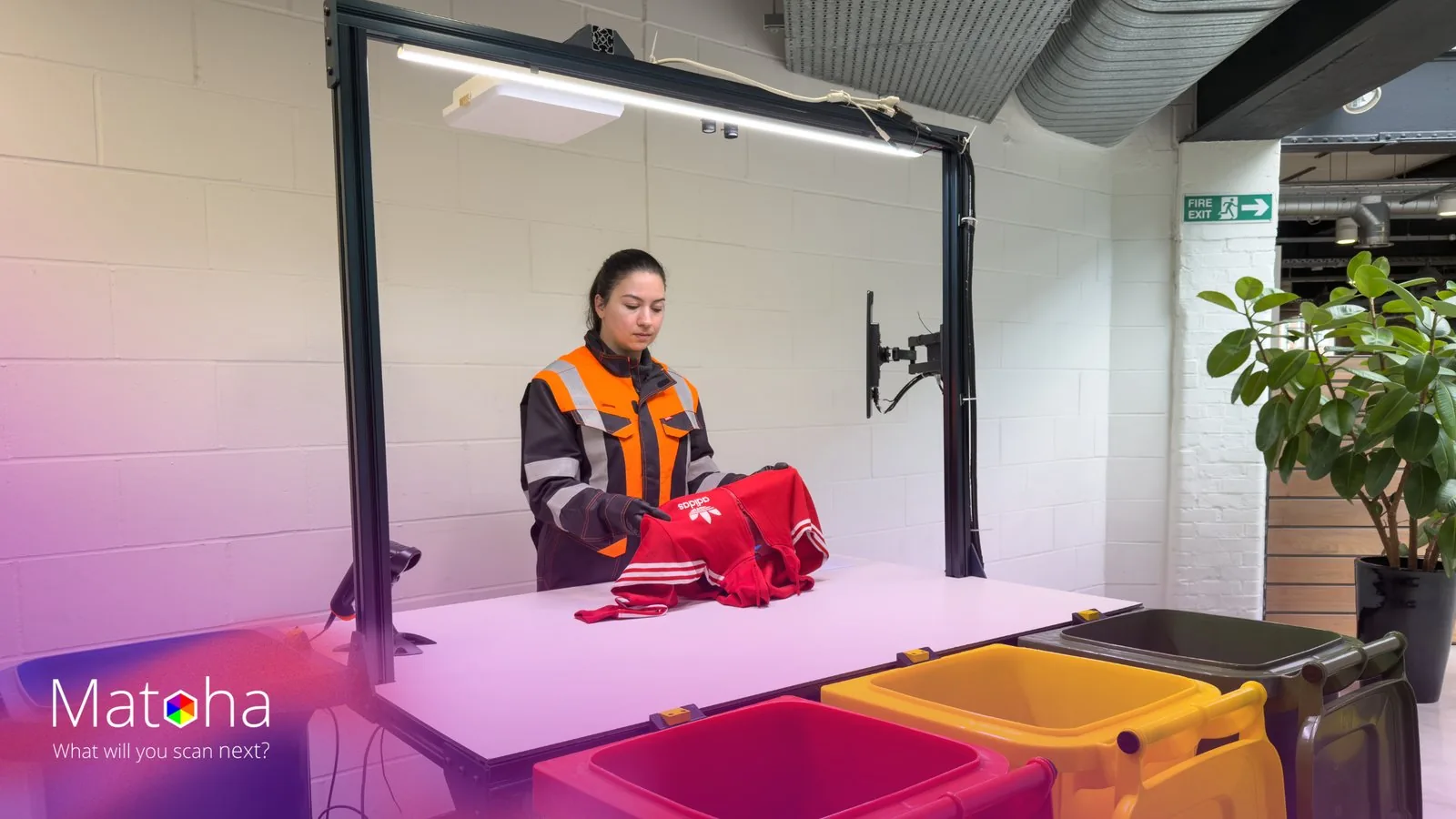
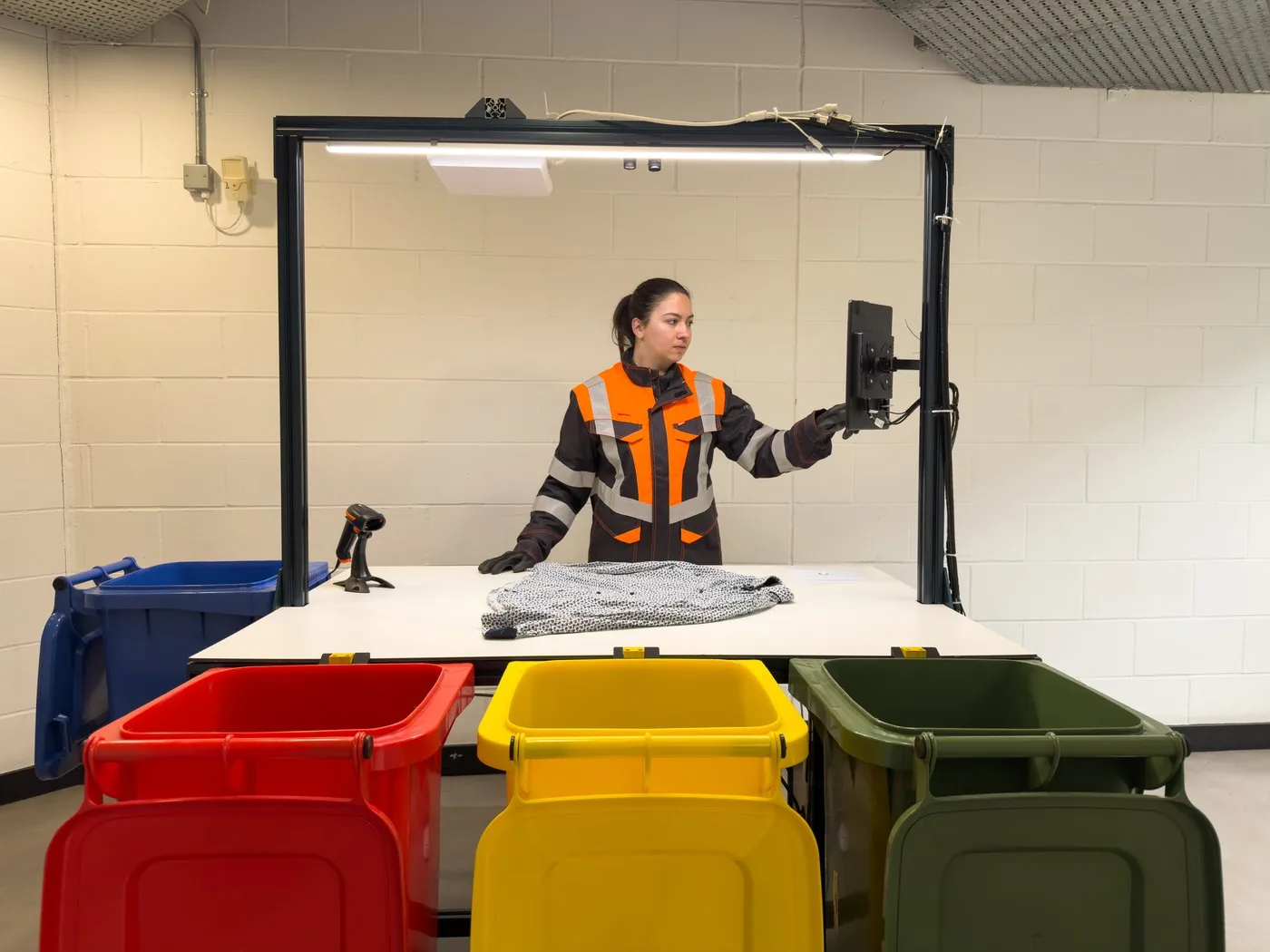
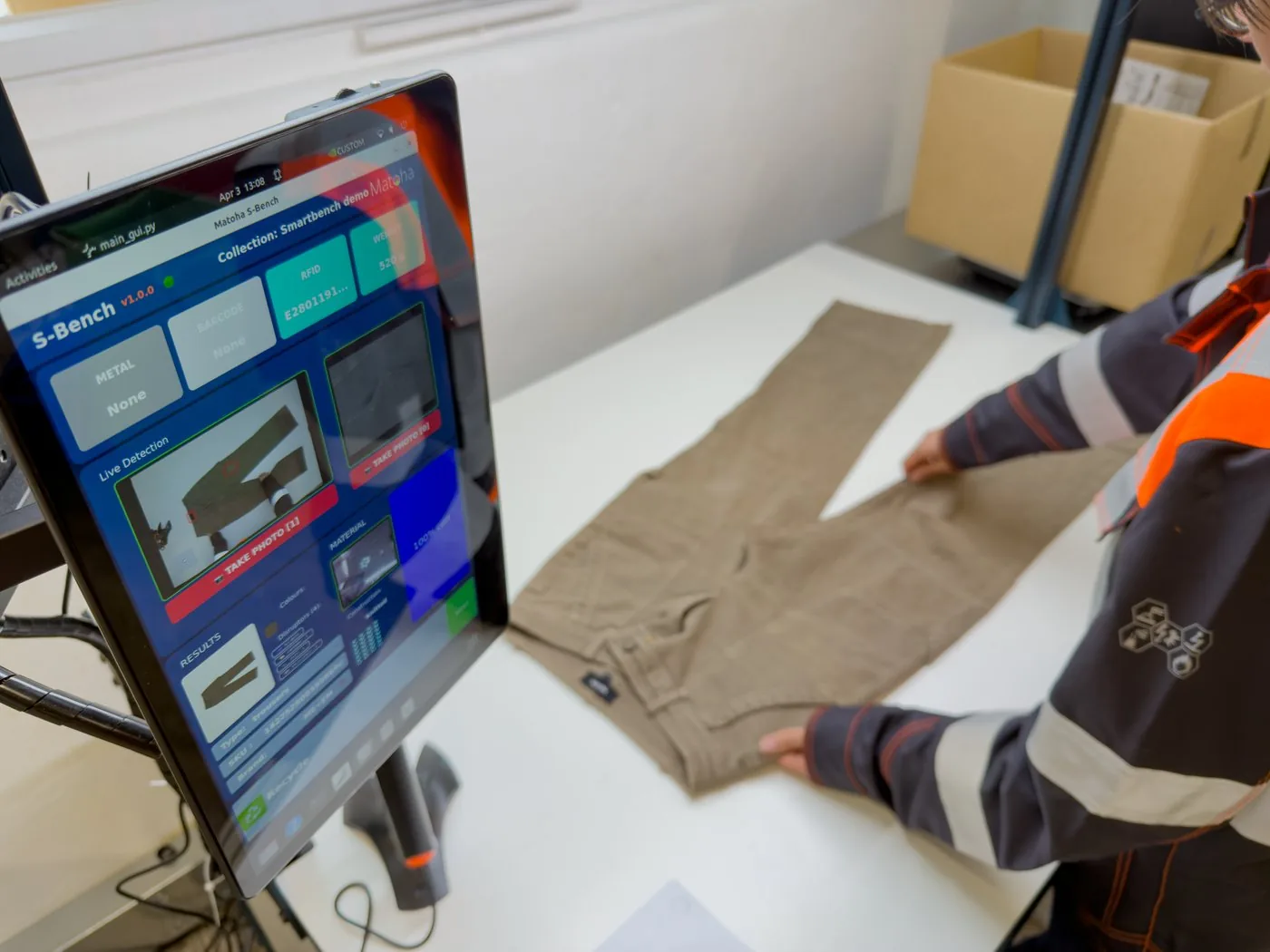
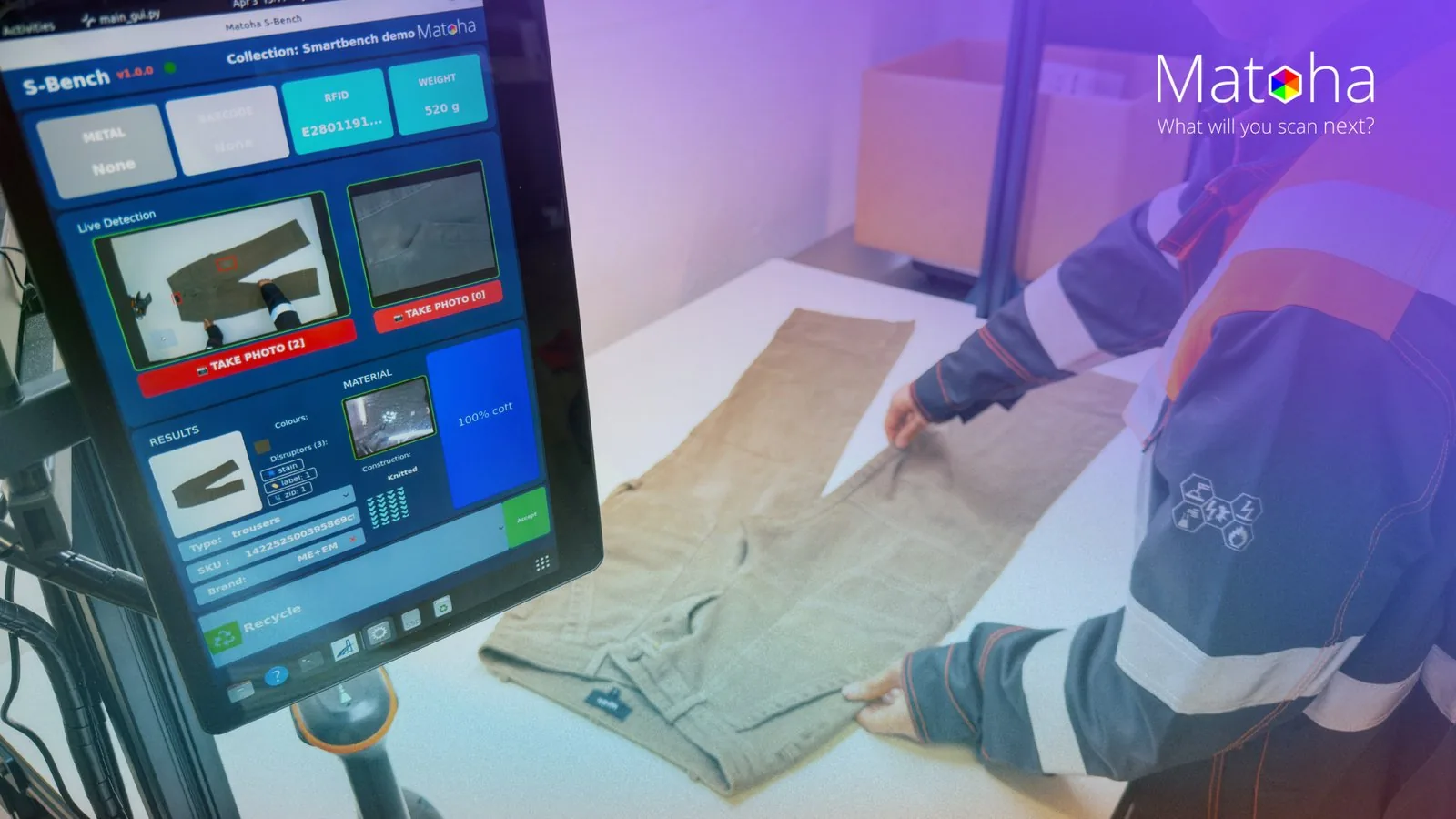
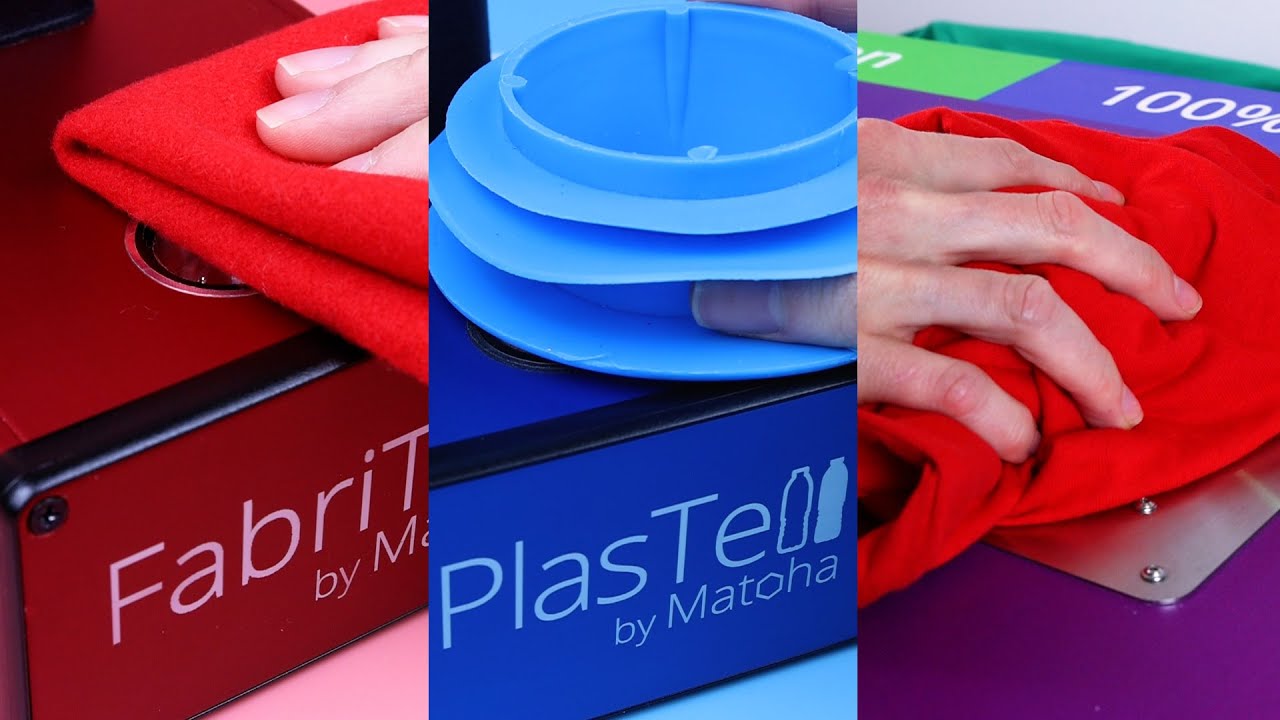
A two-minute look at FabriTell, PlasTell, CarpeTell, and S-Bench, the devices behind everything on this page.
Co-founded Matoha to bring lab-grade NIR spectroscopy to the sorting floor. Leads company strategy, fundraising, and major partnerships.
Leads Matoha's engineering and product development, from FabriTell's first NIR prototype through to PlasTell's sensing system and the S-Bench sorting platform.
Runs day-to-day operations across manufacturing, fulfilment, and global logistics, keeping Matoha's ~60-day lead time reliable as order volume scales.
Leads commercial strategy and major accounts globally, from independent recyclers to multinational manufacturing groups.
Builds Matoha's distributor and partner network worldwide, helping new markets access Matoha's device range.
A chemical polyester recycler purchased 7 FabriTell devices and deployed them to external contractors, using our Cloud API to verify exactly what materials contractors are shipping before they arrive, eliminating contaminated feedstock.
An NGO uses 10 FabriTell devices to audit fabric waste globally. Field workers log garment type and colour alongside each scan in our mobile app, exporting Excel-friendly data for international reporting.
From single-device pilots to multi-site fleets, Matoha hardware is in daily use across recycling, manufacturing, and retail operations on six continents, with 24M+ scans completed to date.
Our devices are built on NIR spectroscopy, a proven analytical technique used across food, pharma, and materials science. Every claim we make is grounded in real-world use.
Every design decision starts with the person holding the device. If a sorter in a noisy facility can't use it in 30 minutes, it goes back to the drawing board.
We measure success in tonnes diverted from landfill, not just devices shipped. Every FabriTell, PlasTell and CarpeTell in the field is a better circular economy.
We're a small team with massive impact. If you're obsessed with material science, sustainability, or hardware-software products, we want to hear from you.