In the FieldReal devices,
Real devices,
real carpet scans
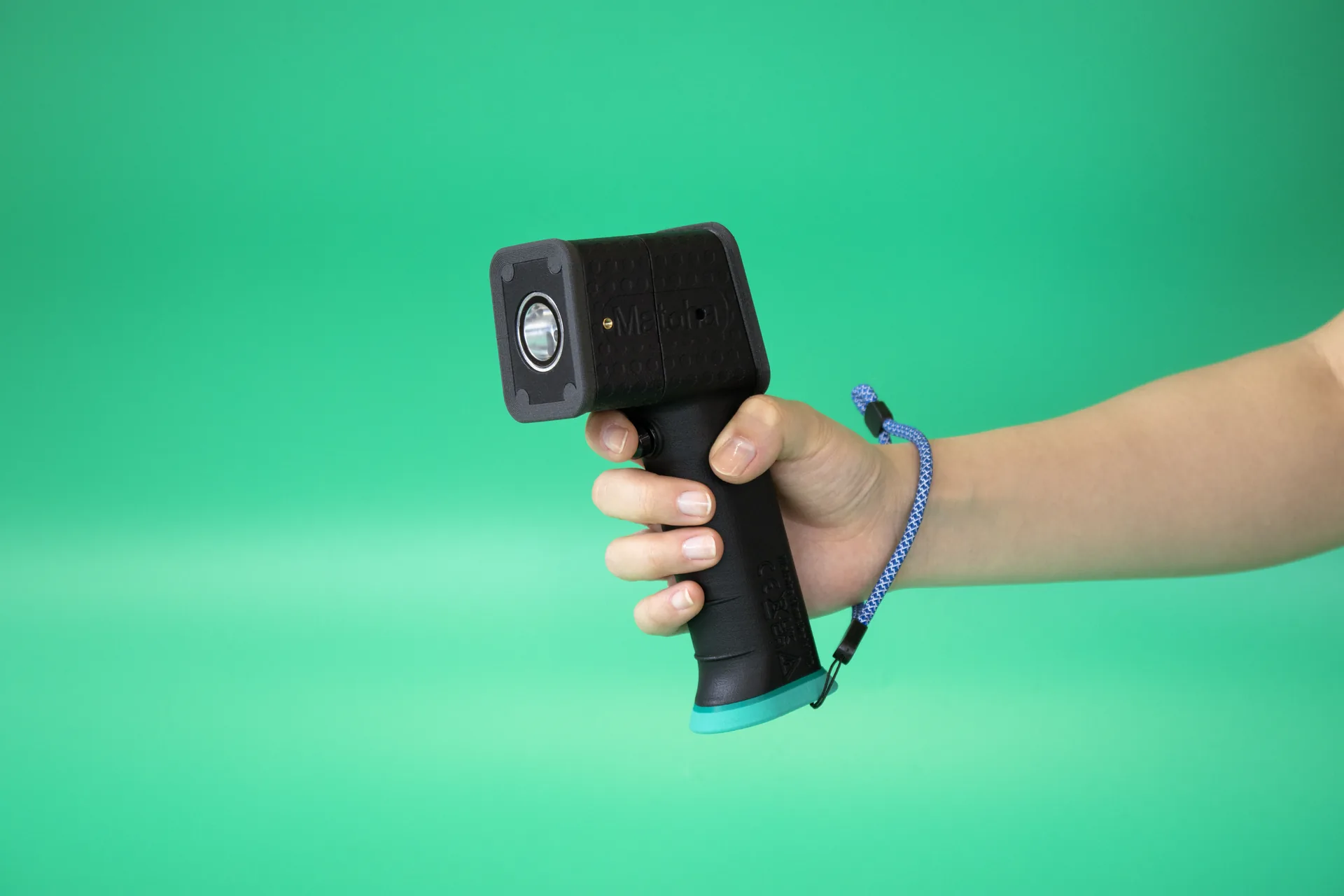
Carpet has up to 5 layers, pile, primary backing, secondary backing, adhesive, and underlay. Identification requires all layers to be tested separately. No generic NIR device is calibrated for this.
Composition labels are on the packaging, which is discarded at fitting. Once the carpet is in the building, there's no way to know what it is without testing.
Nylon, polypropylene, and polyester carpets require completely different recycling routes. Mixed bales are rejected or sent to incineration rather than material recovery.
UK and EU extended producer responsibility is expanding to flooring. Brands and installers will soon need to document and divert carpet from landfill. Without identification, compliance is impossible.
CarpeTell's NIR model was trained exclusively on carpet samples, pile fibres, backing materials, and commercial/residential grades. It ignores the signal noise that fools generic NIR.
Flip the carpet, scan the backing. Flip it back, scan the pile. Two scans, complete picture. PP pile + PP backing = 100% polypropylene bale. Nylon pile + PP backing = separate or downgrade.
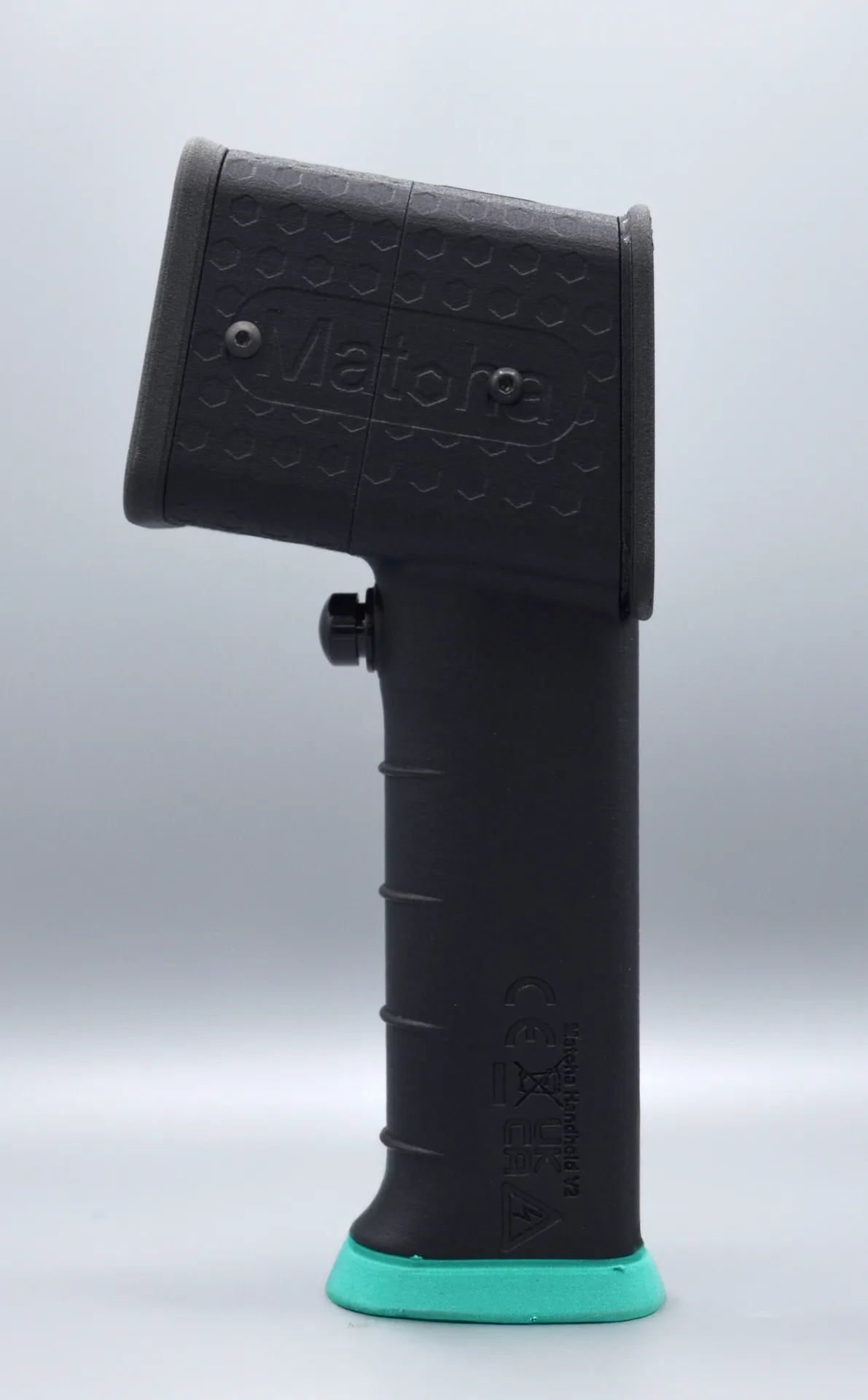
The handheld form factor lets demolition contractors scan and segregate on-site before it goes in the skip. Charity shops can verify composition before pricing.
Carpet brands using takeback programmes scan returning product with CarpeTell. Cloud logs prove diversion from landfill and material routing for EPR reporting.
Demolition contractor strips the carpet. Retailer receives customer return. At this point, composition is unknown.
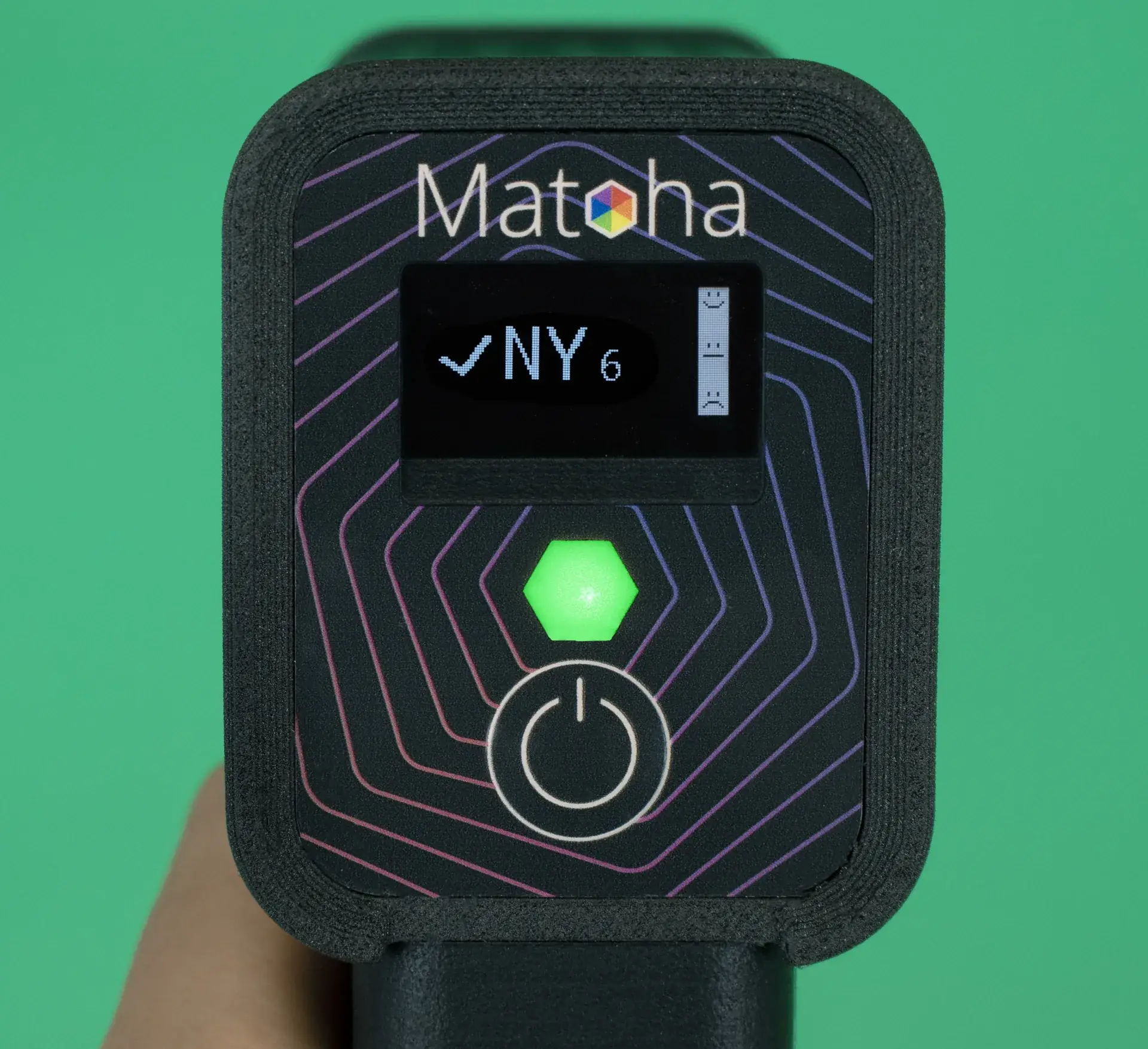
Scan the pile face and backing separately. CarpeTell identifies both layers: "Pile: Nylon 6 | Backing: Polypropylene". Full composition in 2 seconds total.
PP-only pile + PP backing → PP recycling stream. Nylon 6 pile → Nylon chemical recycler. Mixed or contaminated → downgrade or energy recovery. Each route is data-backed.
Cloud report shows total weight scanned, fibre breakdown, and diversion route. Accepted by UK flooring EPR scheme compliance auditors.
Scan and segregate on-site before waste goes in the skip. Divert recoverable carpet from general waste bins, saving landfill tax and generating material value.
Operate brand takeback schemes with documented sorting. Prove material diversion to EPR scheme operators and offer customers eco-certified disposal at point of purchase.
Verify incoming bale composition before processing. Identify hidden nylon in PP streams before they contaminate a batch, protecting output quality and buyer relationships.
Sort donated carpet by material type and condition. Price correctly for resale or route unsaleable stock to the right recycling partner rather than skip.
Know what's coming out of your building before it goes in the waste manifests. Meet corporate ESG targets with material-specific diversion data.
Rapid pre-screening ahead of full composition testing. Eliminate samples that don't need full analysis and focus lab resource on ambiguous cases.
Pile and backing scanned independently. Full carpet composition from 2 scans.
We'll show you how CarpeTell works in a live demo, how to scan, what grade results look like, and how it fits your carpet sorting operation.