In the FieldOn-site,
On-site,
before the skip fills up
Estimated share of UK carpet waste currently diverted from landfill industry-wide, but a meaningful portion of that is energy recovery, not material recycling.
Layers a typical carpet can have, pile, primary backing, secondary backing, adhesive, and underlay, each needing separate identification.
Time for CarpeTell to identify pile fibre on-site, before the strip-out crew has even reached the skip.
A strip-out crew is measured on how fast the floor is cleared. Without a fast way to identify what's coming up, everything goes in the same skip by default.
Whatever composition information existed was on packaging discarded years ago at installation. By demolition, the carpet is just "carpet" to everyone on site.
Independent reporting on UK carpet waste has highlighted that much of what's counted as diverted is actually burned for energy recovery rather than reprocessed into new material, true material recycling needs known, separated fibre types.
Once nylon, polypropylene, and polyester carpet are mixed together in a single skip, no downstream facility can economically separate them again.
A scan takes a second per area, fast enough that it doesn't change the pace of the job, just what happens to the material at the end of it.
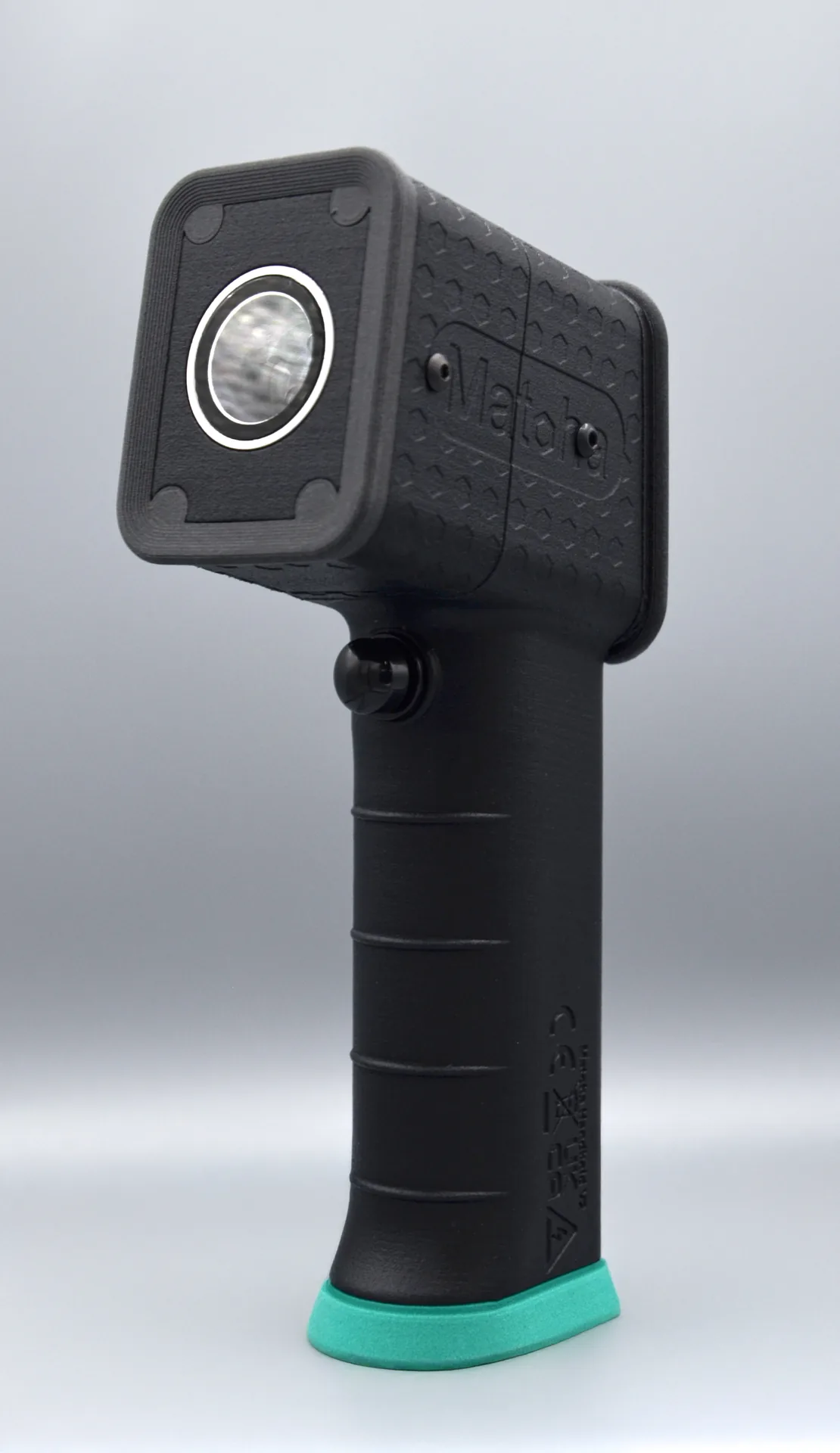
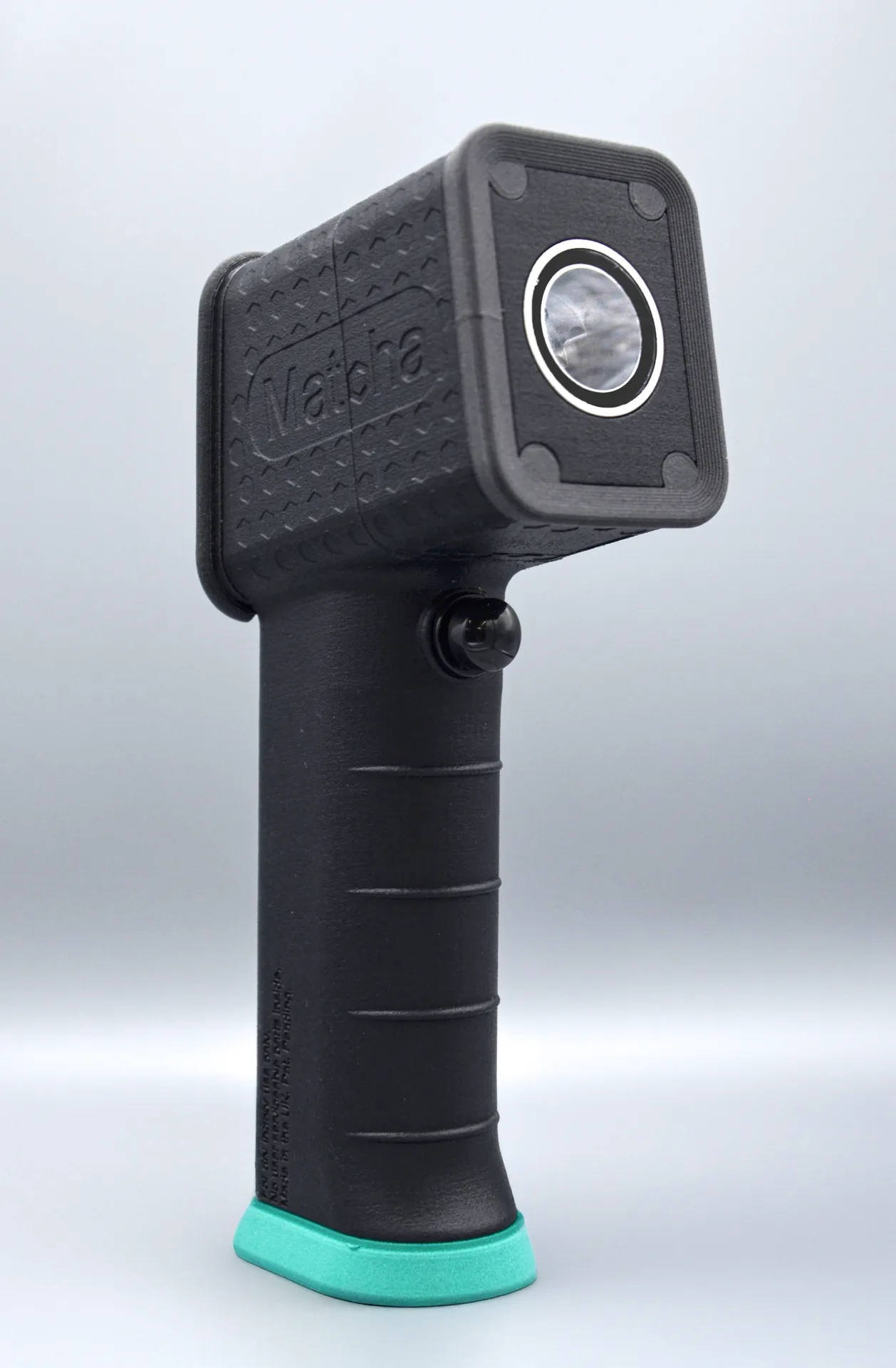
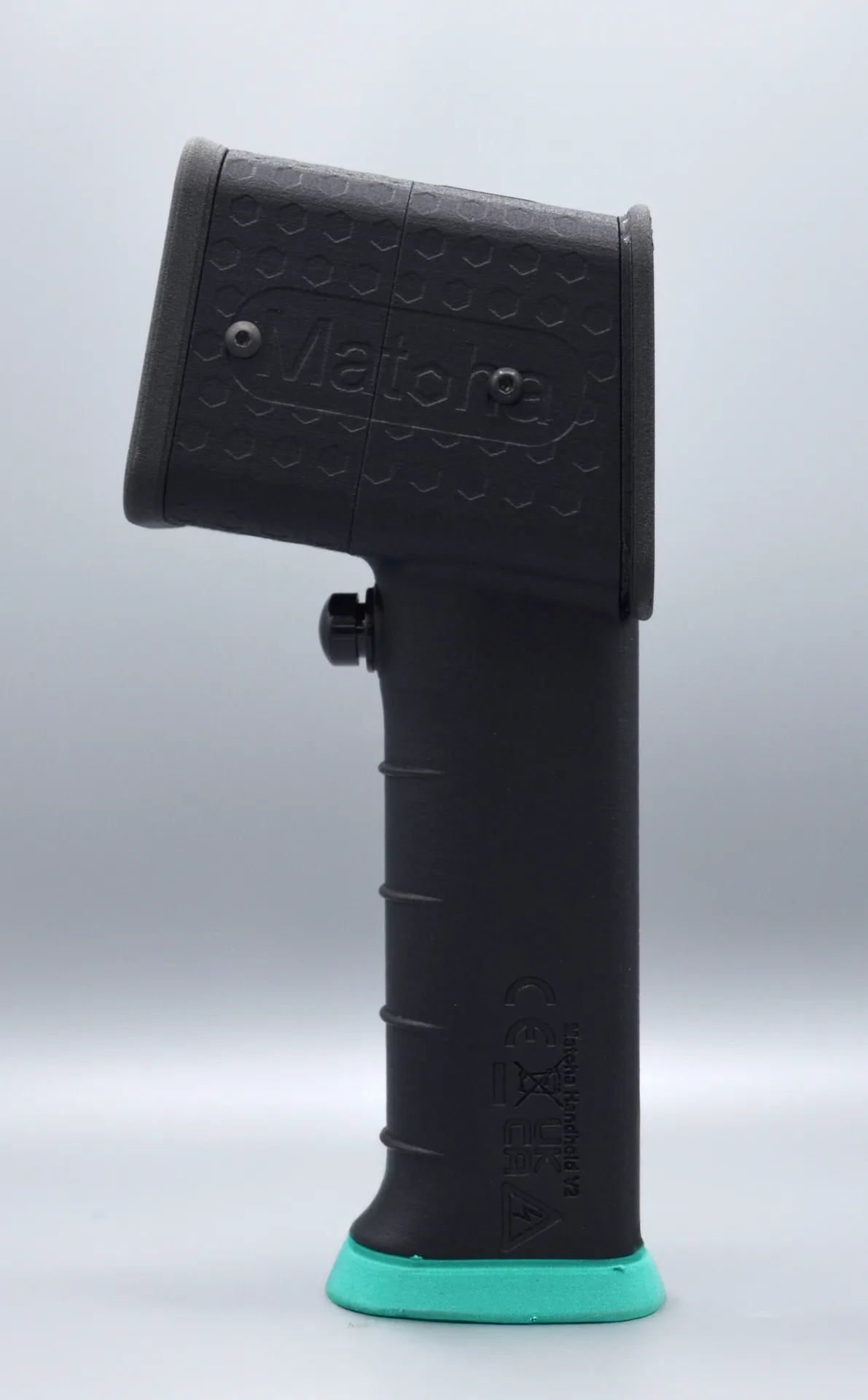
CarpeTell's form factor is designed to go where the work is, on-site, in the building, before anything is bagged or skipped.
Scan the pile face and the backing in two quick passes. Nylon pile on PP backing routes differently than PP-on-PP, now you know which is which.
Identified, separated fibre streams are what material recyclers can actually use, not just a landfill-avoidance statistic.
Segregate recoverable carpet from general waste on-site, before it's mixed and the option disappears.
Identify what's coming up during commercial refits, where large volumes of carpet tile come out in a single project.
Document material composition for waste transfer notes and corporate ESG reporting, not just tonnage removed.
Offer clients a genuine sorted-collection service rather than a single mixed-waste skip that limits downstream options.
Know what's coming out of a refurbishment before it goes on the waste manifest, supporting corporate landfill-diversion targets with real data.
Receive pre-sorted, identified material from demolition partners instead of mixed loads that need re-sorting or get rejected.
We'll show you how CarpeTell works in a live demo, how to scan on-site, what grade results look like, and how it fits your strip-out workflow.