CarpeTell for Carpets
Flooring Retail & Trade

A takeback scheme
needs to know what it's taking back.

UK carpet EPR consultations are expected to begin in 2025/26, and the industry is already moving ahead of mandatory legislation. CarpeTell identifies fibre composition in 1 second at point of sale or collection, before any of that matters in court or to a customer.

The Problem

The composition label
was discarded at fitting.

Returns arrive with no paperwork

A customer returning an offcut or an old carpet during a takeback collection rarely still has the original product label, by the time it comes back, it's just "carpet."

Regulatory pressure is building, not arriving overnight

There's no mandatory UK carpet EPR scheme in force yet, but government consultations are anticipated from 2025/26, and retailers who wait until it's mandatory will be starting from zero.

"Recycled" claims are under scrutiny

Independent reporting on UK carpet recycling has challenged how much "diversion from landfill" is genuine material recycling versus energy recovery, vague claims without composition data don't hold up well.

Mixed fibre returns are worth less

A takeback bin full of unidentified nylon, polypropylene, and polyester carpet is a mixed bale a recycler will downgrade or reject, undermining the whole point of running the scheme.

The Solution

Identify it the moment
it comes back to you.

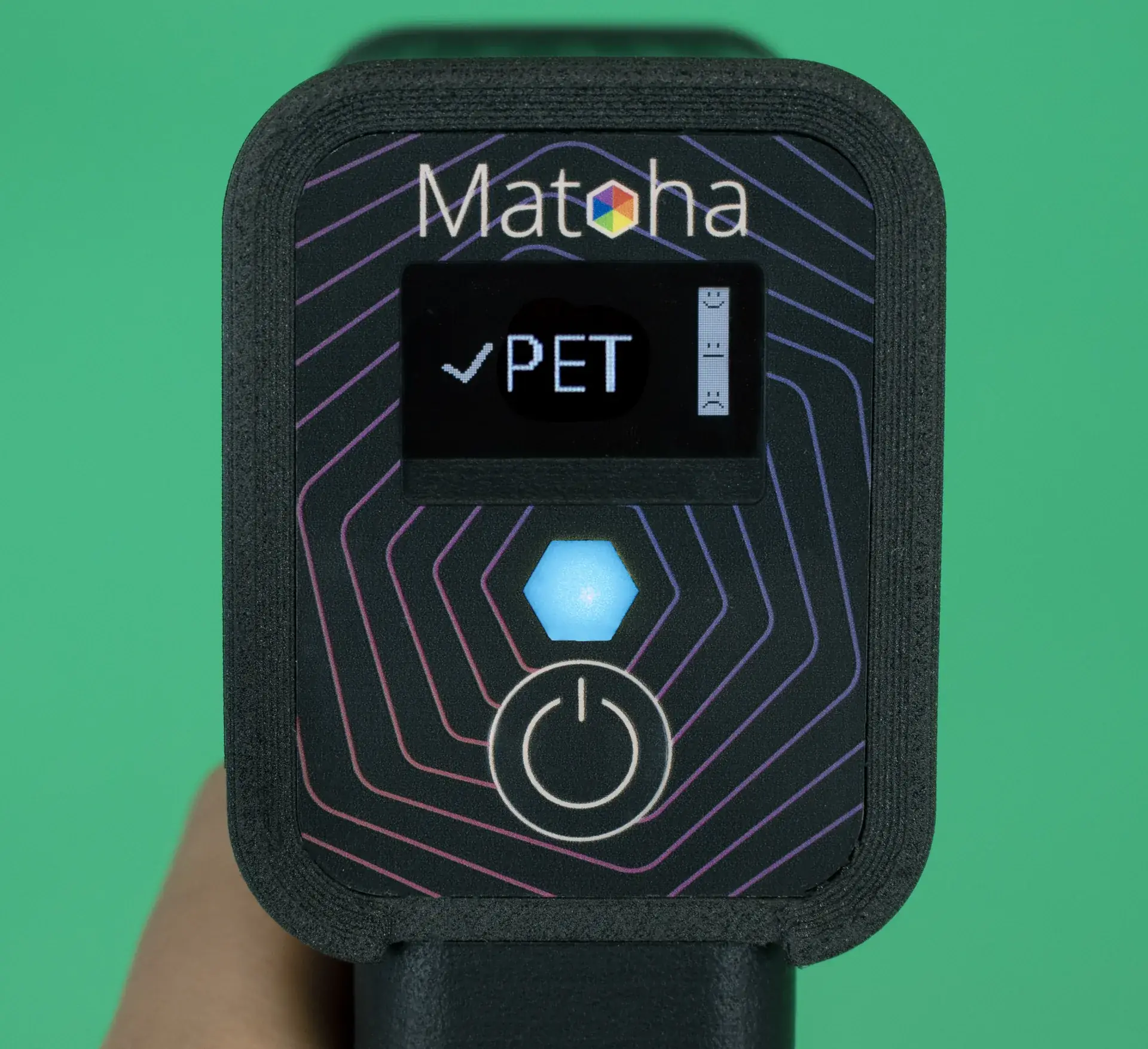
1-second fibre ID at point of return

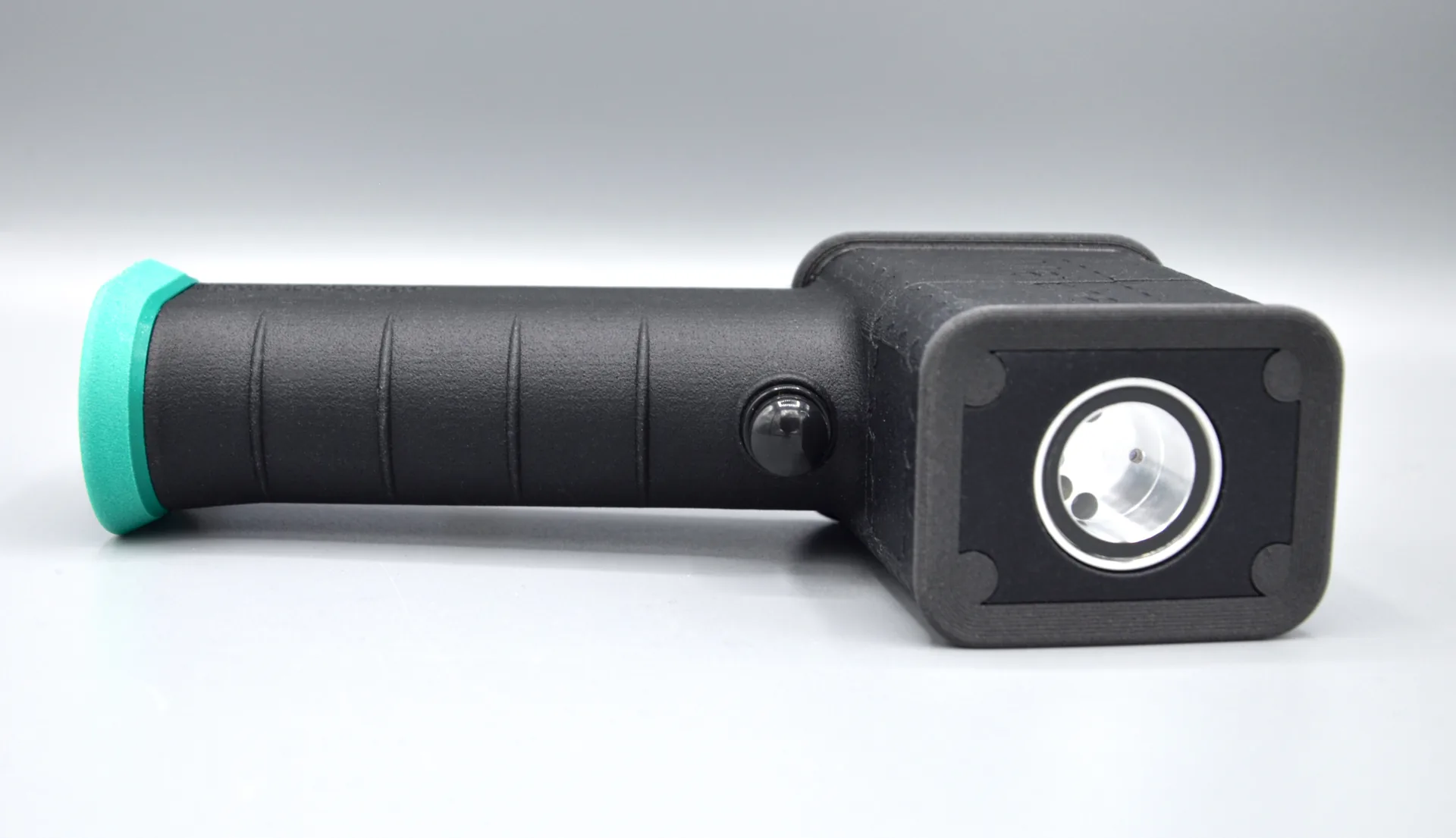
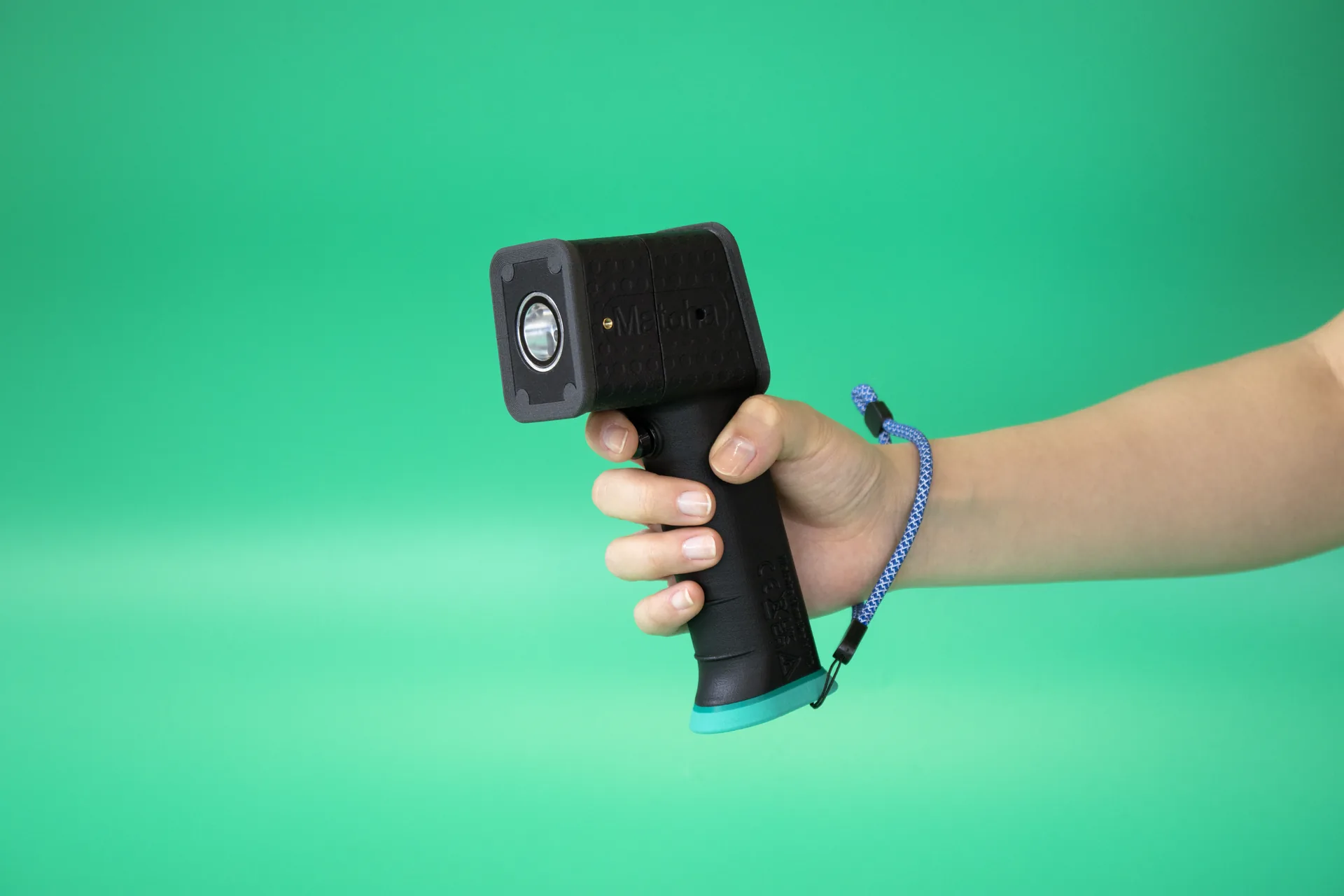
Scan the carpet as it's handed over. CarpeTell identifies pile fibre on the spot, no need for the original label or paperwork.

Sort into genuinely sellable streams

Route nylon, polypropylene, and polyester returns into separate, identified streams from the moment they arrive, instead of one mixed pile that no recycler wants at a good price.

Get ahead of EPR, not caught by it

Build a documented sorting and diversion process now, while it's still voluntary, so when consultation turns into legislation, you're already compliant rather than scrambling.

Back up your sustainability claims with data

Logged scan data lets you say exactly what was diverted and where it went, a meaningfully different claim than "we recycle carpet" with no detail behind it.

Built For Every Format

From showroom
to trade counter

🏪

Showroom Takeback Points

Identify and sort customer returns at the point of collection, while the customer is still there to confirm what they're handing over.

🚚

Trade Counter Returns

Fitters and contractors dropping off offcuts and removed carpet get an instant identification, instead of an unsorted skip.

📦

Distribution Centre Sorting

Consolidate takeback volume from multiple stores at a central point, sorting by confirmed fibre type before it goes to a recycling partner.

🏷️

Brand Sustainability Teams

Generate the verified diversion data needed to support public recycling claims with substance rather than slogans.

🤝

Manufacturer Partnerships

Give upstream carpet manufacturers confirmed fibre-type volumes from your takeback scheme, useful leverage in closed-loop supply agreements.

📋

EPR Readiness Teams

Build the operational sorting process and documentation trail now, ahead of anticipated UK carpet EPR consultation.

The Process

From the customer's hands
to a sellable stream

🏪

1. Carpet is returned or collected

A customer drops off an old carpet, a fitter returns an offcut, or a collection van brings back stripped-out material.

🔬

2. CarpeTell scan, 1 second

Scan the pile face on the spot. No need to find the original product label or ask the customer what they bought ten years ago.

📦

3. Sort into the right bin immediately

Nylon, polypropylene, and polyester go into separate, identified collection streams from minute one.

📄

4. Log the diversion data

Each scan adds to a record of what's been collected and where it's headed, your evidence base for sustainability reporting and future EPR compliance.

In the Field

At the counter,
not in the lab

Get ahead of EPR.
Not caught by it.

We'll show you how CarpeTell works in a live demo, how to scan, what take-back results look like, and how it fits your retail recycling scheme.

Talk to Our Team View Device Specs
FAQ

Common Questions

Why choose a subscription over a one-off purchase? +
A subscription spreads the cost into predictable monthly payments, includes software updates, and can be easier to justify as an operating expense rather than a capital purchase. A one-off purchase gives you full ownership with no ongoing fees. Both options include access to the Matoha app and Cloud dashboard. Compare options →
How long is the contract for subscriptions? +
Subscription terms vary by plan. Please contact us for current contract lengths and flexible options — we can often accommodate rolling monthly or annual arrangements depending on your needs.
What is the cancellation policy? +
One-off purchases come with a 21-day money-back guarantee — if the device doesn't work for your materials, return it for a full refund. For subscription plans, cancellation terms are outlined in your agreement. Get in touch if you have any questions.
How long does delivery take? +
FabriTell, PlasTell and CarpeTell handheld devices ship within approximately 60 days of order. The S-Bench system has a longer lead time due to custom configuration — contact us for current availability. We ship worldwide.
Can I try before I buy? +
Yes — we offer a live demonstration where we scan samples you send in advance, so you can see results on your own materials before committing. All devices also come with a 21-day money-back guarantee. Book a demo →
Do the devices work without an internet connection? +
Yes — all Matoha devices identify materials fully offline. The AI runs on-board, not in the cloud. Wi-Fi is only used for syncing scan data to Matoha Cloud and receiving firmware updates, both of which are optional.