One of the questions we ask almost every sorting operation we visit is: "What do you think your mis-sort rate is?" The answers vary widely. Some operations have tried to measure it. Most haven't. And the honest answer from most senior managers is some version of "we think it's under control, but we're not entirely sure."
That uncertainty is itself a cost. Here's a framework for thinking about what mis-sorting actually costs, and why most operations that calculate it find the number more compelling than they expected.
What counts as a mis-sort?
For clarity: a mis-sort is any item that ends up in a material stream different from the one it belongs in. In textile sorting, the most common and costly version of this is a high-value material (silk, cashmere, wool, clean cotton) being sent to a lower-value stream (polyester mix, wiper rags, or waste). It also includes blends being declared as pure fibres, and contaminated bales reaching buyers who discover the mismatch on arrival.
In plastics, the equivalent is a high-value polymer (PET, clear HDPE) being mixed into a lower-value or material stream, or recyclable material being sent to landfill because the identification was uncertain.
The three cost categories
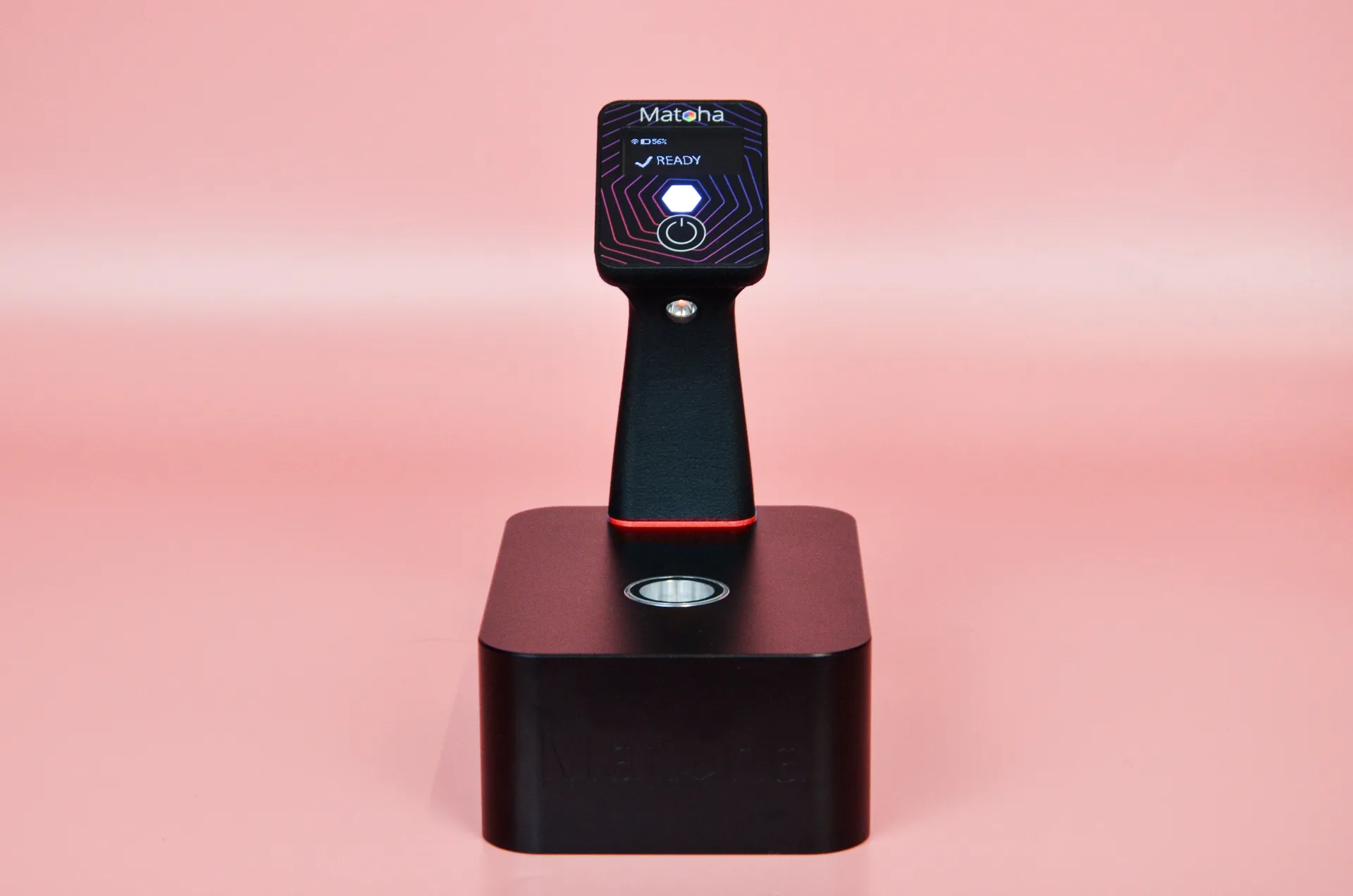
FabriTell handles high-throughput scanning, one device can cover an entire sorting line.
1. Immediate value loss on the item
The most direct cost is the value gap between where an item was sent and where it should have gone. Silk in a polyester bale is worth polyester prices, not silk prices. The price differential between high-value fibres and general mixed textiles can be significant, and items at the top of the value chain (silk, cashmere, new-with-tags) represent the most concentrated loss.
Operators who have introduced NIR scanning at the point of sorting consistently tell us the initial surprise is how often the visual identification was wrong, not on obvious items, but on the ambiguous ones that get a quick look and a decision.
2. Downstream buyer complaints and rejects
The second cost category is less visible but often larger. If you're selling bales with a composition claim, "80% cotton, 20% mixed", and your buyer finds a meaningful polyester contamination rate, the response may range from a price renegotiation to a rejected delivery to a lost buyer relationship. These costs don't appear in your sort floor records but they directly affect your revenue.
Operations that have introduced verified composition identification tend to report fewer buyer disputes and more consistent buyer relationships. The ability to say "here is the scan record for every bale" changes the conversation with buyers who are used to arguing about composition on delivery.
3. Re-sorting and quality control labour
If your operation does any downstream QC or buyer disputes require re-inspection, there's a labour cost associated with catching errors that weren't caught at the point of sort. This cost is often invisible in operational budgets because it gets absorbed into general labour, but it's real.
A simple calculation
Here's a rough framework for estimating your mis-sort cost. Use your own numbers:
Example: 500-item/day operation
Items sorted per day500
Estimated mis-sort rate (conservative)3%
Mis-sorted items per day~15
Average value loss per mis-sorted item£0.80
Daily mis-sort cost (direct)~£12
Annual direct cost (250 working days)~£3,000
Three thousand pounds sounds modest. But add the buyer dispute costs, the occasional rejected bale, and the labour involved in resolving them, and the real number climbs. Operations handling higher volumes or higher-value materials see this compound quickly.
The more instructive exercise is to change your mis-sort assumption. What if it's 5%? What if the average value loss per item is £1.50 because your stream has more silk and cashmere than you realise? The sensitivity of the number to those inputs tends to focus attention.
We've built an ROI calculator into the Matoha website that lets you model these numbers against the cost of a FabriTell device. If you want to run your own numbers, the.
What changes when operators can see it
The shift that tends to happen when operations introduce NIR identification isn't just about catching more mis-sorts. It's about making the invisible visible. Managers who previously had a vague sense that something was slipping can see exactly where in the stream the ambiguous items are, which fibre types are generating the most uncertainty, and which operators have the most variable identification rates.
That data creates the ability to manage, to train more specifically, to adjust workflows, to build better buyer conversations. It also creates accountability in both directions: if your NIR scan says it's silk and the buyer's testing says it isn't, you have a starting point for a real conversation rather than a dispute with no anchor.
The technology doesn't eliminate judgement calls. But it does replace the most common source of costly errors, confident misidentification of ambiguous items, with an objective reading that takes less than a second to produce.
Most operations that have gone through this exercise find the payback calculation less complicated than they expected. The question isn't usually whether the value recapture is there. It's whether the operation is ready to see it clearly.