In the FieldFrom dismantling bay
From dismantling bay
to recovered polymer
Estimated share of plastic from end-of-life vehicles actually recycled in Europe each year.
EU End-of-Life Vehicle Directive target for overall reuse/recovery rate by mass, a target plastic recovery still falls well short of.
Proposed EU target share of recycled plastic content in new vehicles by 2030, with closed-loop recyclate specifically called out.
Bumpers, dashboards, and trim use ABS, PP blends, and PA, often without a visible resin code, and rarely sorted before shredding.
Manufacturers modify automotive plastics with their own formulations to hit mechanical or cost targets, and rarely disclose them, leaving recyclers without the reference data needed to calibrate identification.
Unlike metals, most automotive plastics aren't sensitive to magnetic or eddy-current separation, the sorting techniques that work well on the metal fraction simply don't apply.
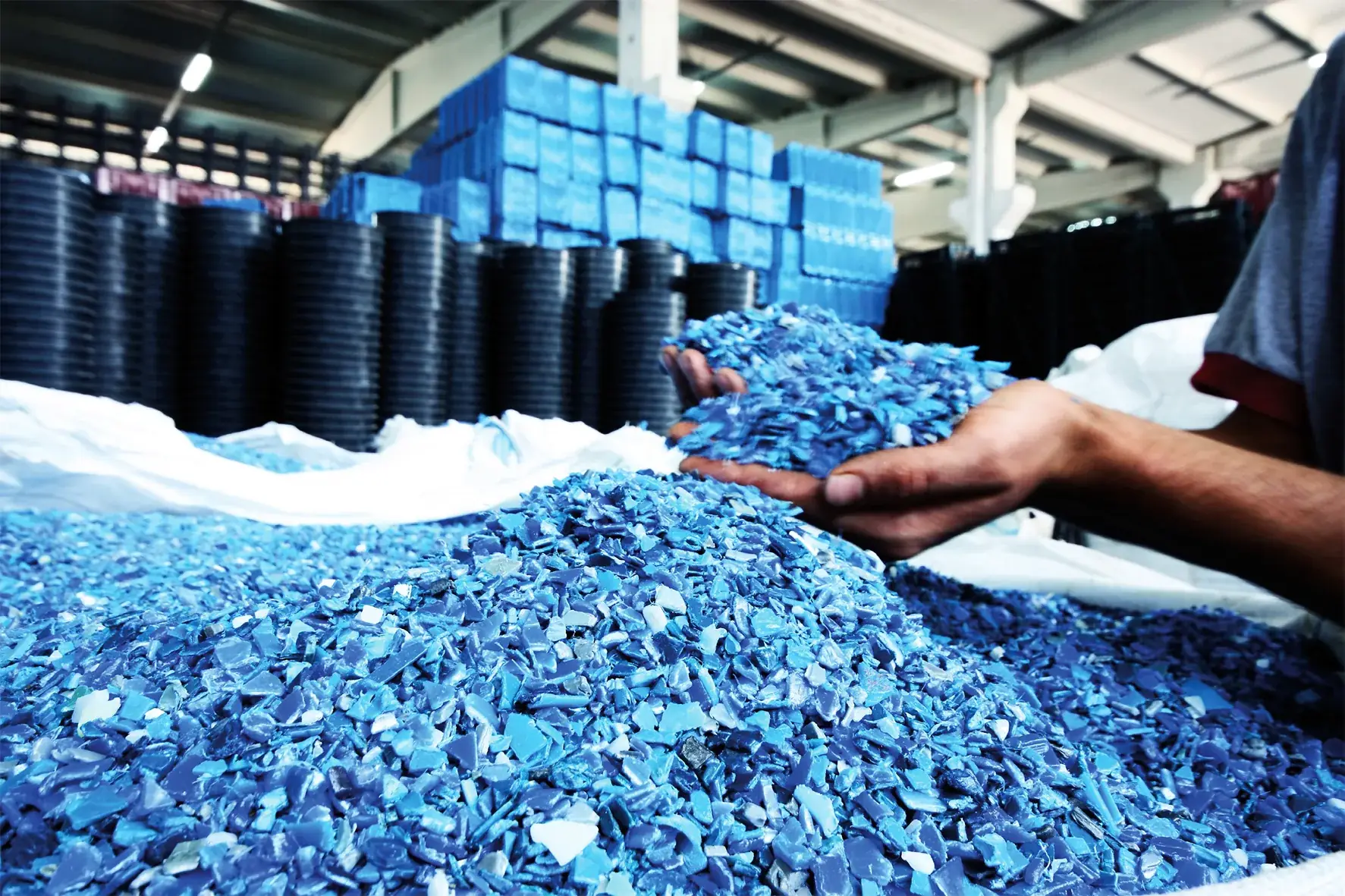
Without separation, recovered plastic is sold as a low-grade mixed fraction or sent to energy recovery, leaving the value of individually-identified ABS or PP on the table.
Scan bumpers, dashboards, and trim panels during depollution and dismantling, identify ABS, PP, and PA components before they're mixed into general shred.
Spot-check sorted fractions coming off density or optical separation lines to confirm polymer purity before baling for sale.
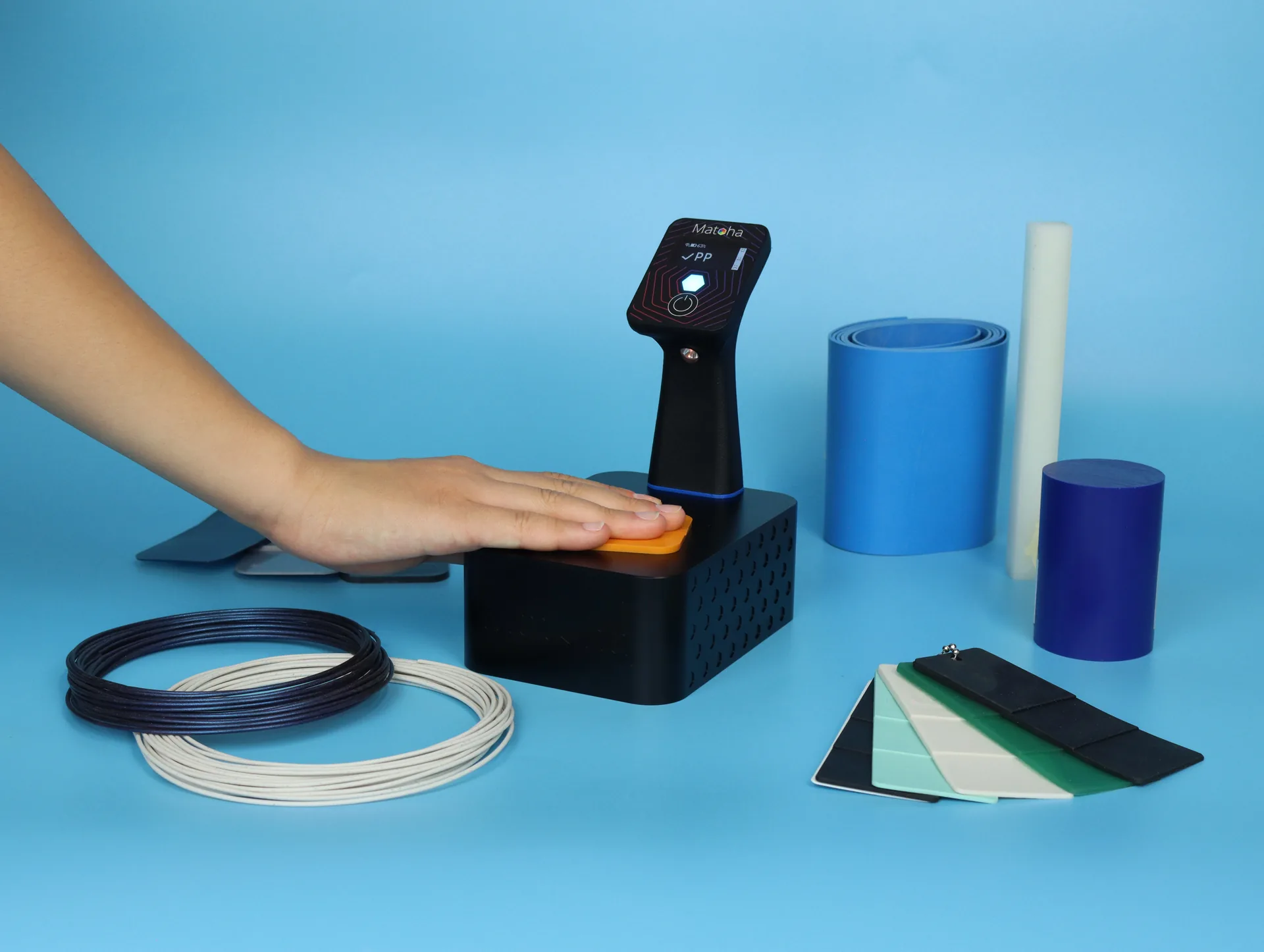
PlasTell reads the underlying polymer signature directly, no need for manufacturer additive disclosure to get an accurate identification.
As OEMs face growing pressure to use more recycled content, logged identification data demonstrates exactly what was recovered and verified.
Fluids, battery, and reusable parts are removed first. Bumpers, dashboards, and trim panels are exposed for recovery before the shell goes to the shredder.
Identify the polymer in bumpers, dashboards, door cards, and trim in under 1 second each, no need to know the OEM's additive formulation.
Route confirmed ABS, PP, to dedicated streams instead of letting them go to the shredder as mixed residue.
Verify the purity of density- or optically-sorted shredder residue fractions before they're baled and sold downstream.
Logged scan data supports recycled-content reporting as OEM recyclate targets continue to tighten.
Identify and segregate engineering plastics during depollution and dismantling, before the shell reaches the shredder.
Spot-check sorted shredder residue fractions to confirm polymer purity before baling and sale to reprocessors.
Verify incoming automotive-derived bales match the declared polymer composition before committing line time to reprocessing.
Generate verified recovery data to support growing recycled-content commitments and regulatory reporting.
Confirm polymer type on reclaimed trim and interior parts before reselling into the secondary parts or recyclate market.
Pre-screen automotive-derived samples before committing to full compositional analysis for buyers or auditors.
Bring a bumper, a dashboard panel, or a sample of shredder residue. We'll scan it live and show you exactly what's recoverable.