In the FieldOn the bench,
On the bench,
on the goods-in dock
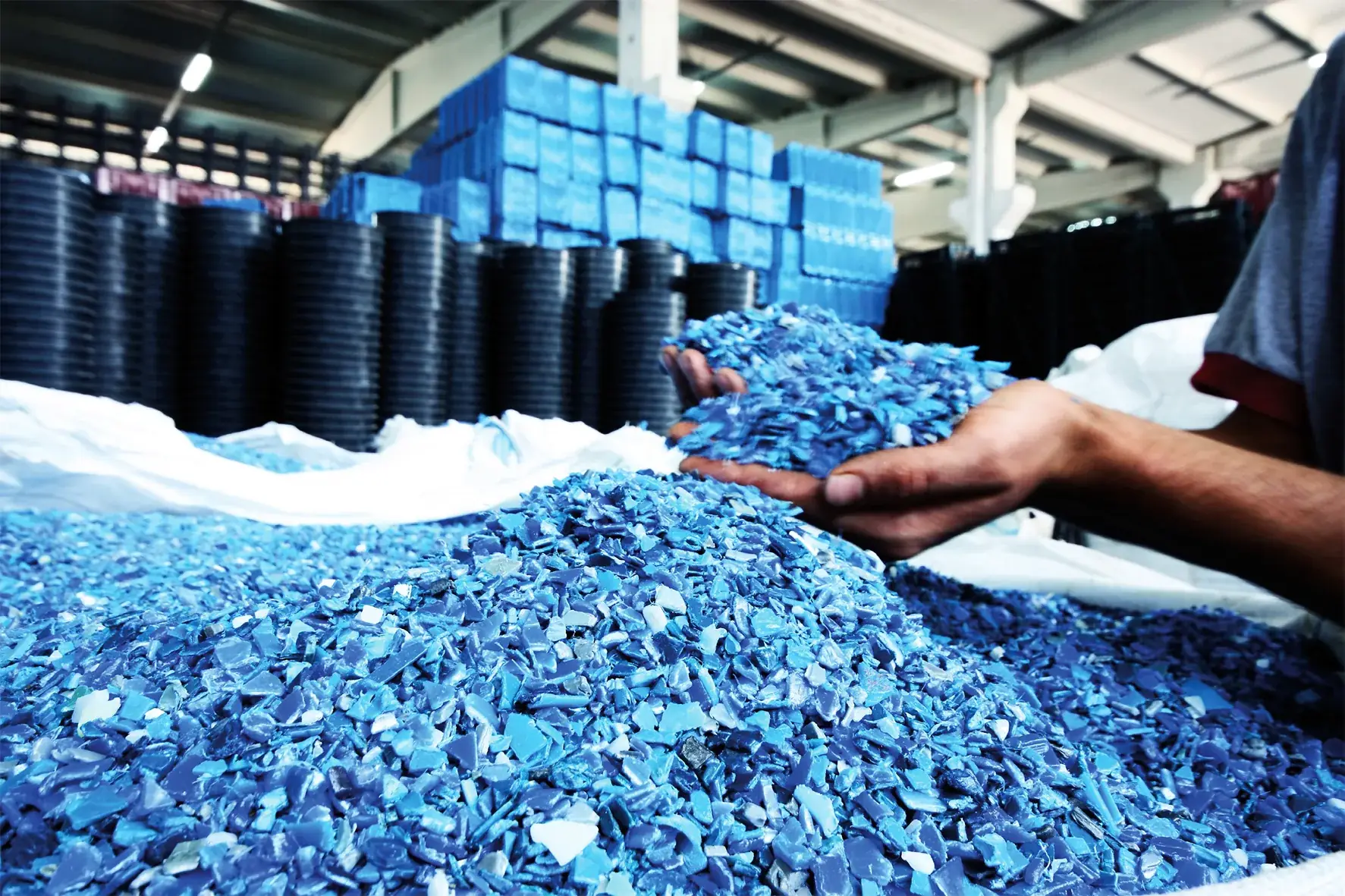
Unlike virgin resin, PCR pellet and regrind composition shifts with every supplier delivery. A bag certified as 100% HDPE can carry PP or PVC contamination above the threshold that ruins a moulded part.
Third-party schemes like APR's PCR Certification exist precisely because recycled-content claims in supply chains are difficult to confirm without testing, chain-of-custody paperwork doesn't tell you what's actually in the bag.
A 2–3% polymer contamination can cause delamination, weak welds, or surface defects that only appear after moulding, once labour, energy, and machine time are already spent.
Sending samples to a lab for FTIR or DSC confirmation takes days. Production can't wait, so most plants accept supplier paperwork on faith and find out later if it was wrong.
Scan pellets, regrind, or baled stock as it arrives. PlasTell confirms polymer identity against the purchase order spec before the delivery is signed off, not after it's in the silo.
Clear PET flake, natural HDPE regrind, and pigmented compound all read accurately on the same device, no separate workflow for transparent material.
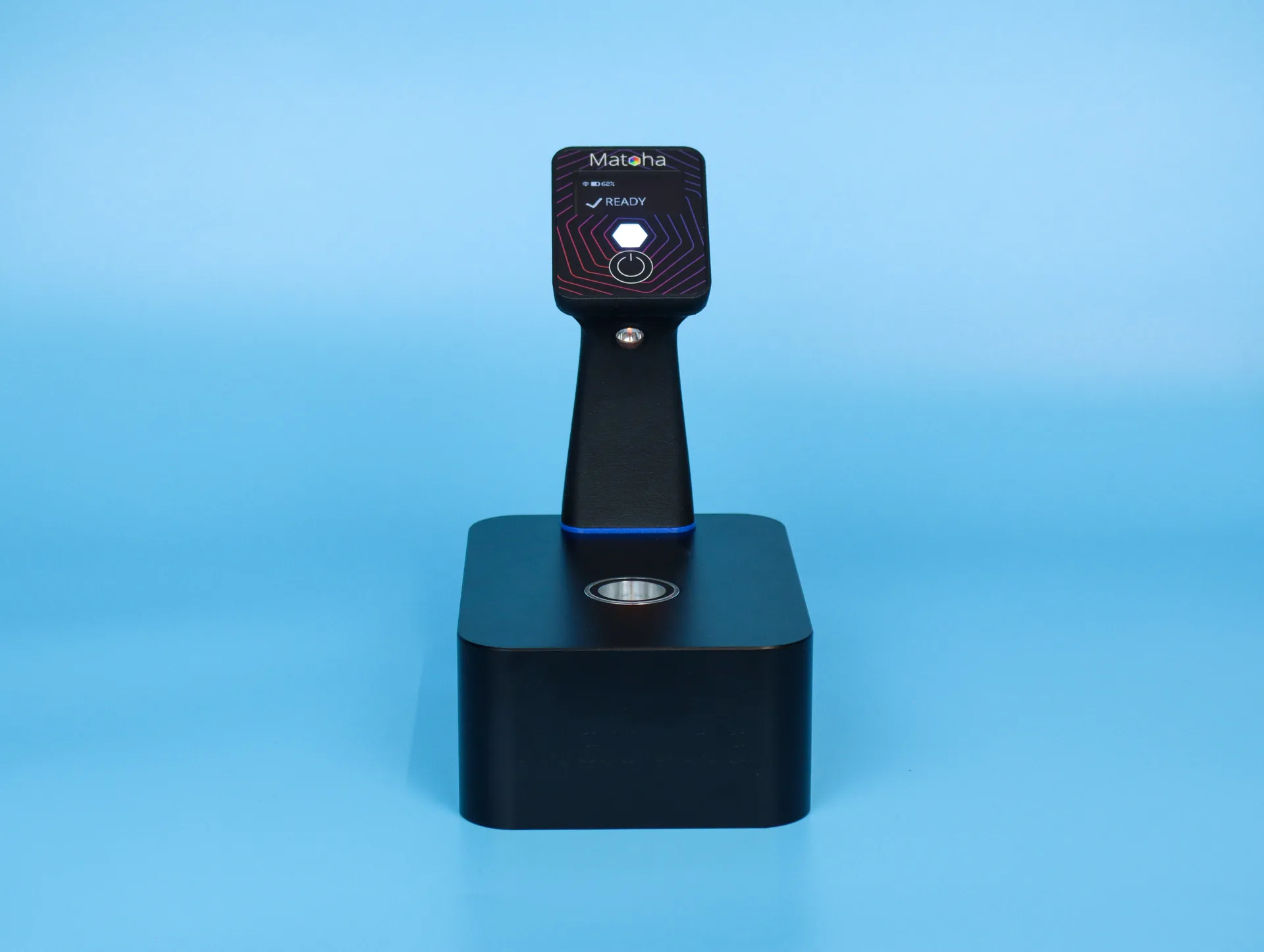
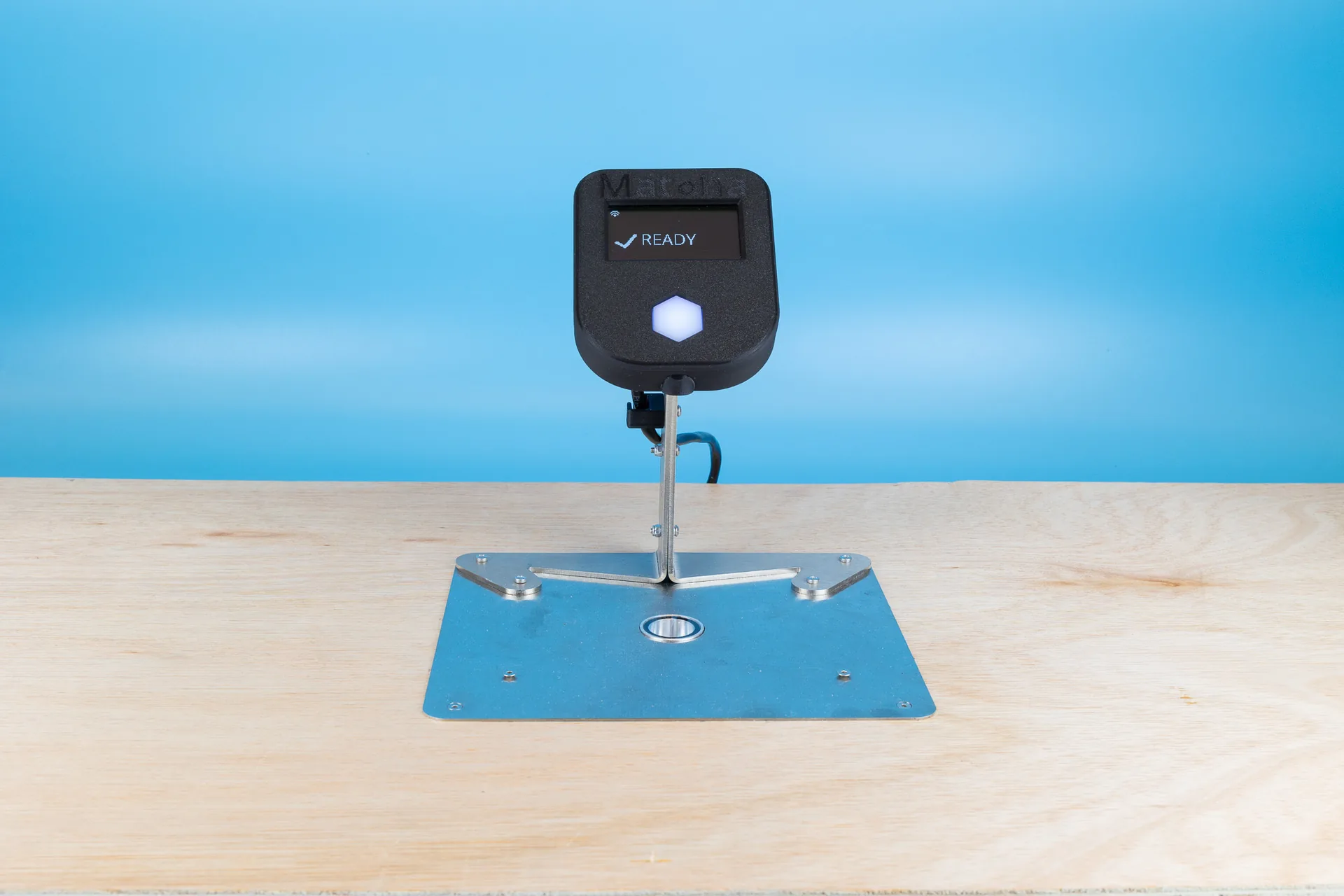
Run the Desktop unit at a fixed incoming-inspection station for high sample throughput, or carry the Handheld to spot-check pallets on the warehouse floor.
Every scan timestamps and records the result. Build an evidence trail per supplier, useful leverage when a delivery doesn't match its certificate.
Confirm regrind and PCR pellet match spec before it's blended with virgin resin. One contaminated bag can spoil an entire production run.
Screen incoming flake and regrind streams from multiple suppliers before they enter the compounding line, where mixed polymers are far costlier to isolate.
Even small amounts of the wrong polymer create gels, fisheyes, or weak seals in film. Verify resin identity at the silo before it reaches the extruder.
Spot-check recycled-content claims from packaging suppliers before publishing PCR percentages that regulators or auditors may later test.
Spot-check pallets at the loading dock. Reject or quarantine a delivery in minutes instead of discovering the problem mid-production.
Verify the customer's input material matches what they've told you it is, before you commit your line time and energy to reprocessing it.
| Factor | Paperwork-only PCR sourcing | PlasTell-verified goods-in |
|---|---|---|
| Confidence in supplier certificate | ✕ Taken on trust | ✓ Confirmed on arrival |
| Time to flag a bad batch | Days, after moulding defects appear | under 1 second per scan |
| Transparent / light-coloured flake | Often misread by generic NIR | Reads accurately |
| Evidence for brand PCR claims | Supplier paperwork only | Logged scan data, timestamped |
| Cost of catching contamination | Scrapped batch, downtime, re-tooling | One rejected delivery |
See how PlasTell identifies regrind and PCR feedstock in a live demo, exactly what the results show and how it fits into your QC process.