In the FieldOn the QC bench,
On the QC bench,
before the lab queue
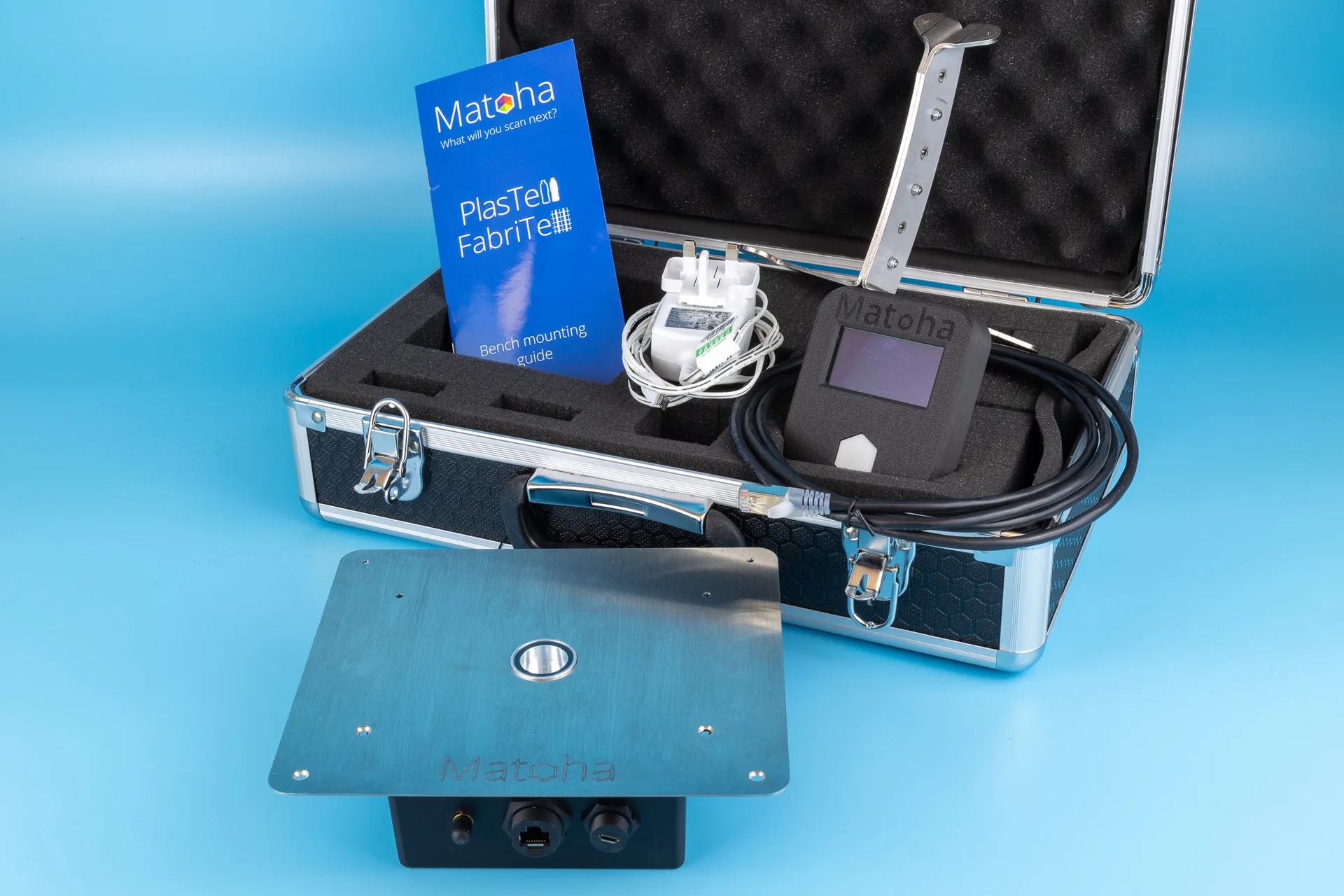
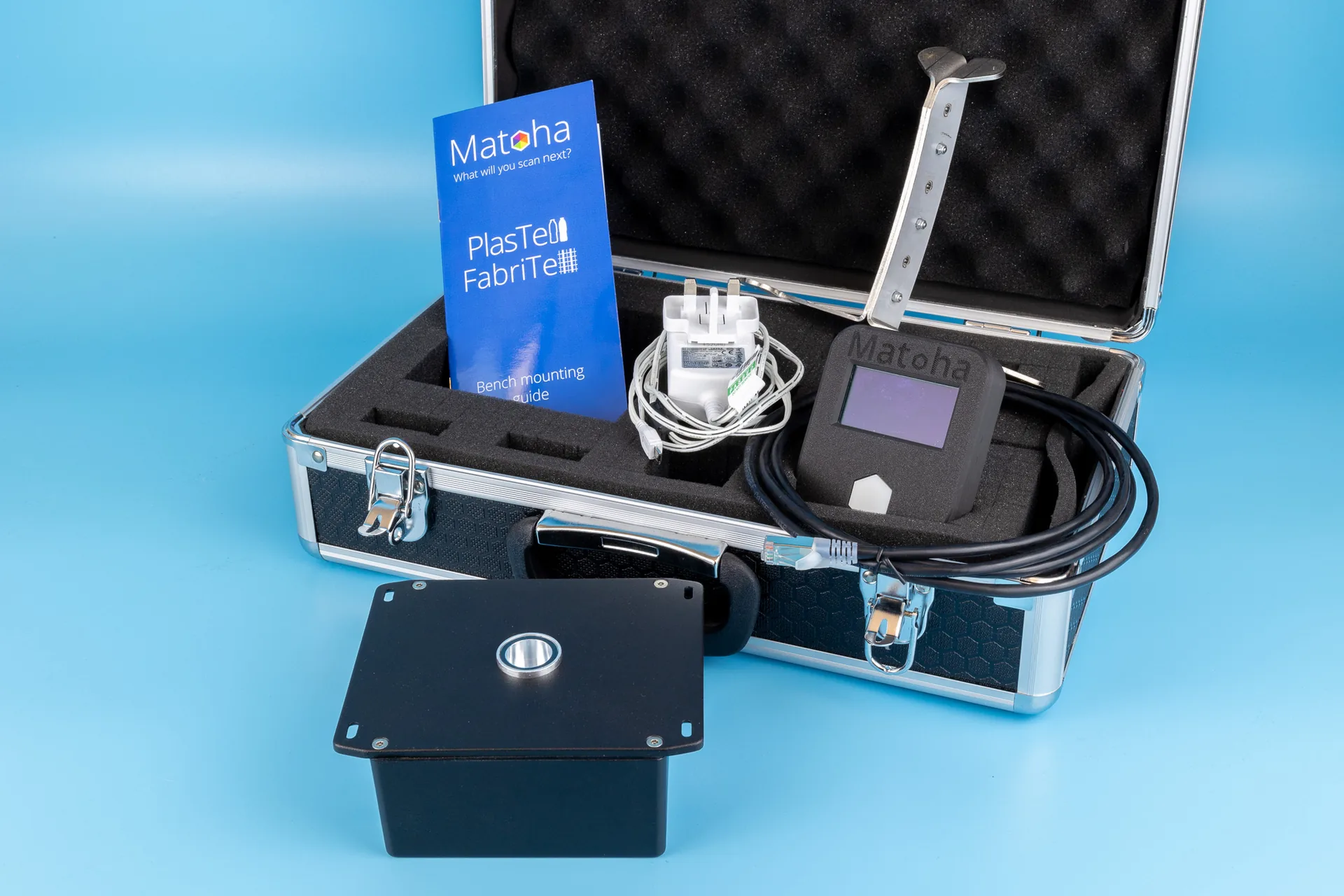
Confirmatory lab methods are accurate but slow, samples queue, technicians run batches, and results land days later. Most of those samples turn out to be straightforward.
Some lab methods consume or alter the sample. When the customer wants the item back, or the sample is the only one available, that's a constraint conventional testing can't always work around.
Sample volumes from sorting lines, supplier audits, and customer queries keep growing. Lab headcount and instrument time don't scale at the same rate.
The majority of incoming material is a common, easily-identified polymer. Running full analysis on it anyway burns capacity that the genuinely ambiguous 20% actually needs.
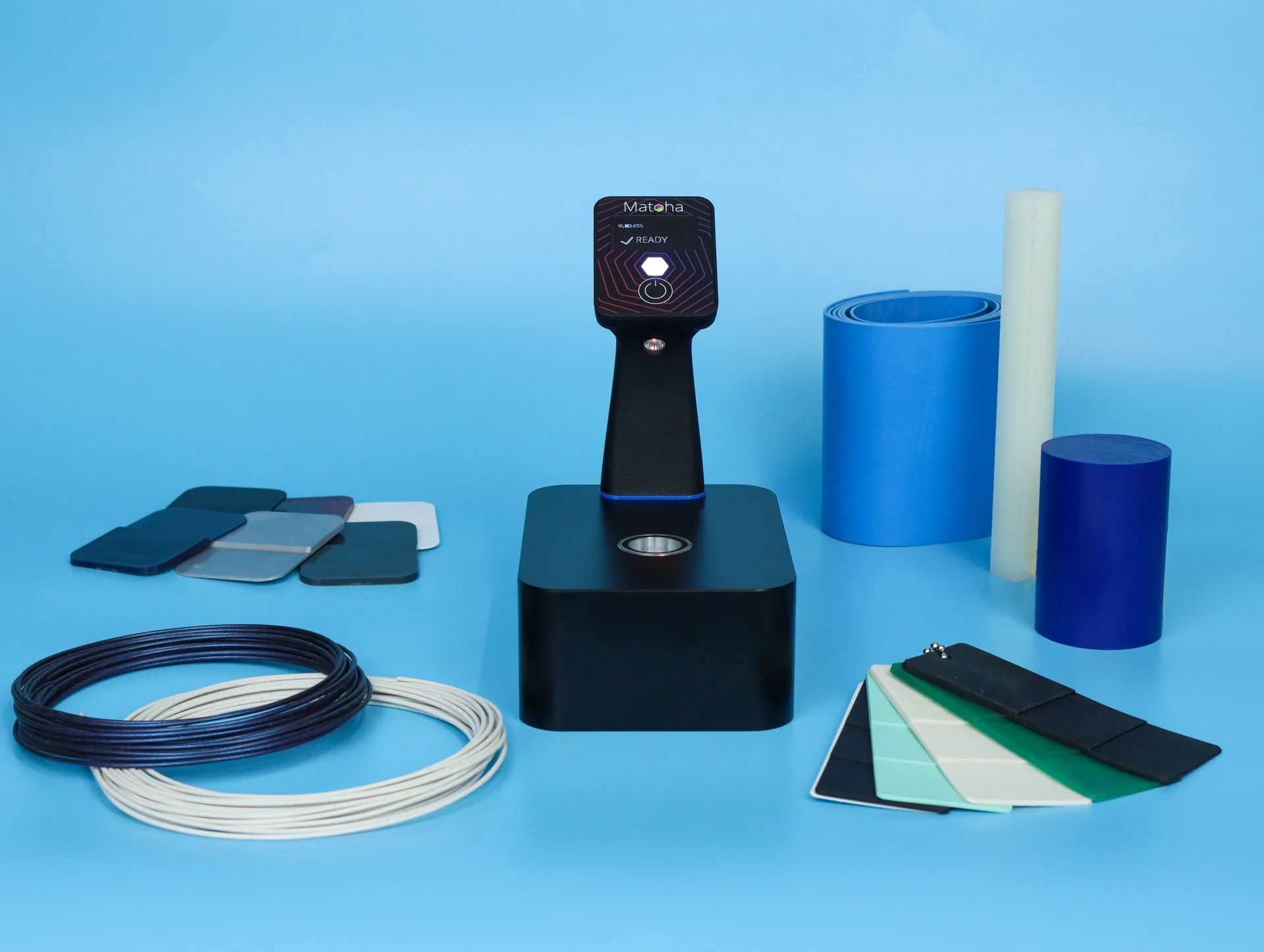
NIR reflectance reads the surface without touching, cutting, or consuming the sample. The item goes back to the customer or the shelf exactly as it arrived.
Clear results for PET, HDPE, PP, PVC, ABS, PC, and 18+ more, instantly, at the bench, without booking instrument time.
A confident PlasTell read clears the routine 80%. Borderline or unusual readings get flagged and routed to full lab analysis, exactly where that capacity adds value.
Every scan is timestamped. Build a defensible audit trail of what was screened, when, and what triggered escalation to full testing.
| Factor | Full lab testing on every sample | PlasTell pre-screen + lab for exceptions |
|---|---|---|
| Time to a first result | Days (instrument queue + turnaround) | < 1 second |
| Sample condition after testing | Often altered or consumed | Untouched, non-destructive NIR scan |
| Volume of items quickly screenable | Limited by instrument and lab capacity | Limited only by scanning time (under 1 sec/item) |
| Confirmatory testing fees | Charged per sample, every sample | Reserved only for borderline/flagged cases |
| Resolution from PlasTell | — | 25+ distinct polymer types, 0.5-second read |
Illustrative comparison based on typical confirmatory plastics-testing workflows. PlasTell is a screening tool, it does not replace full chemical analysis for regulatory or contractual certification where that is required.
Triage incoming sample batches before booking FTIR or DSC time. Quote turnaround faster on the routine majority of work.
Run a fast first pass on production samples without queuing for shared lab instruments, escalate only what genuinely needs it.
Spot-check supplier claims on-site during an audit visit, rather than waiting for samples to be sent away and tested.
Give students and researchers a fast, repeatable, non-destructive screening step before committing valuable samples to destructive methods.
Pre-screen incoming bale samples before deciding whether they're worth sending for full composition analysis.
Verify packaging polymer claims from suppliers quickly, escalating only the readings that don't match what was specified.
Bring a batch of routine samples and we'll show you how many never needed to reach the instrument queue in the first place.