In the FieldOn the yard,
On the yard,
before the container closes
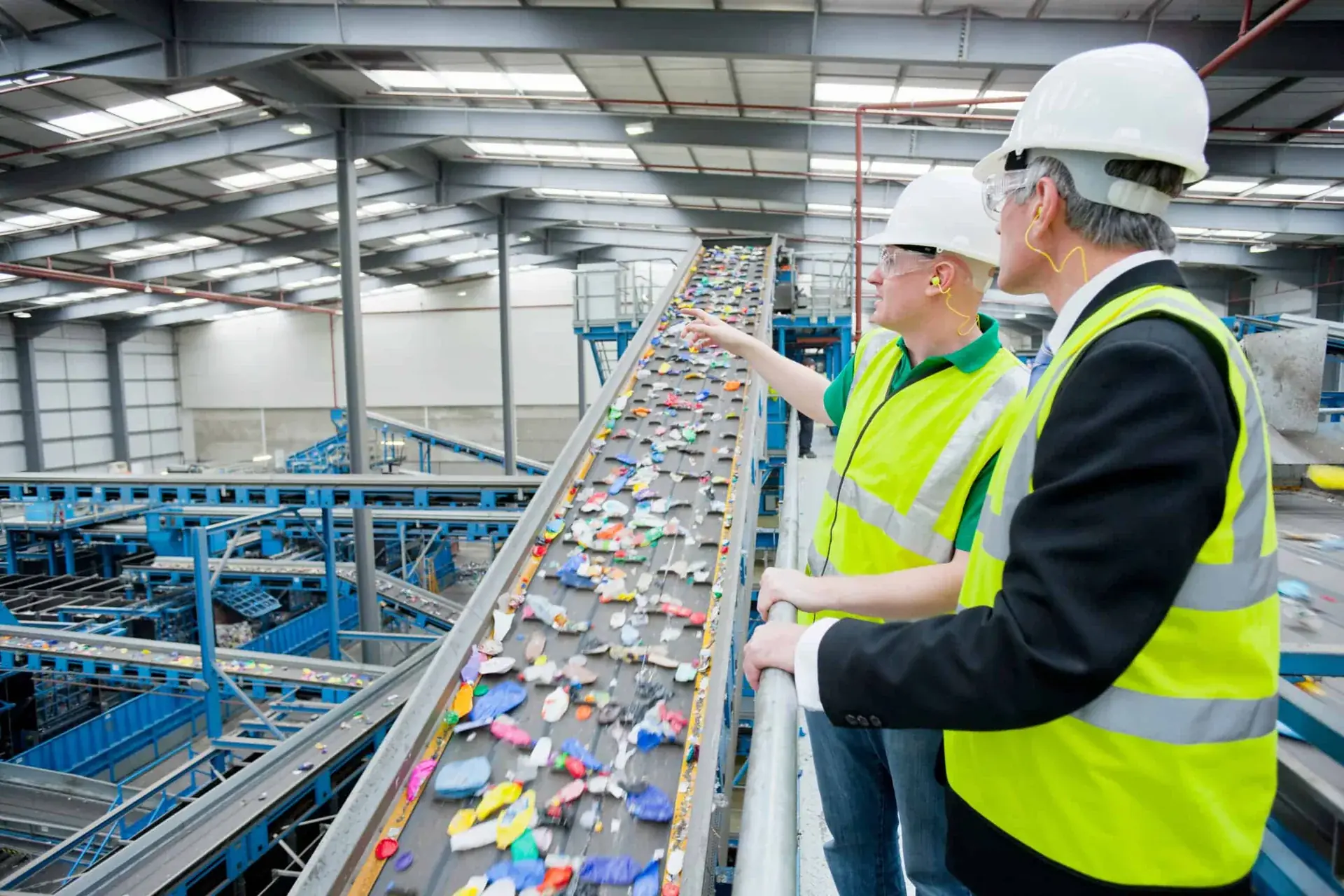
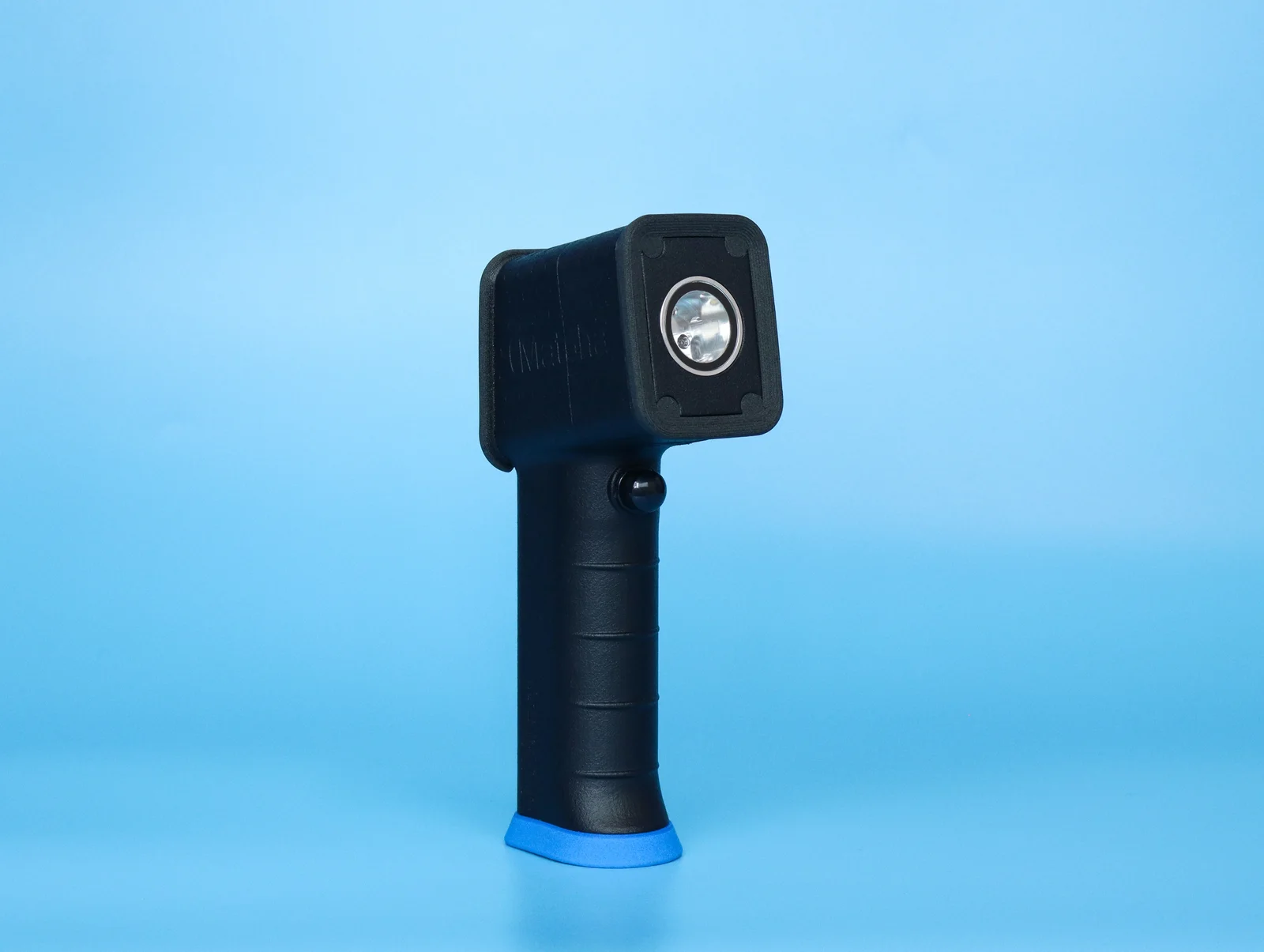

Non-hazardous plastic scrap exports generally require the load to consist "almost exclusively" of a single non-halogenated polymer, PE, PP, PET, PS, or ABS. Mixed or contaminated loads fall outside that category entirely.
Import authorities can, and do, refuse shipments that don't match their declared waste code. A container turned back at the destination port means demurrage, return freight, and a damaged buyer relationship.
Downstream reprocessors increasingly want documented polymer purity before they'll commit to a price, verbal assurance from a supplier is no longer enough for the better-paying buyers.
By the time mixed scrap is loaded into a container, separating it again is rarely economic. Catching contamination before consolidation is the only point it can be fixed cheaply.
Scan a representative sample of every consolidated lot before it's baled and loaded. Confirm it genuinely meets the single-polymer purity your buyer and the destination customs authority expect.
Fast enough to spot-check at the volumes traders handle, pallet by pallet, bale by bale, without slowing down loading schedules.
Catch a mis-sorted bale on your own yard, where it's cheap to correct, instead of at a foreign port, where it isn't.
Export a scan-backed composition report alongside your shipping documents. It's the difference that wins repeat business from buyers who've been burned before.
Bales or loose scrap arrive from collectors, MRFs, or other suppliers. Composition is whatever the supplier says it is, until verified.
Sample across the lot, not just the visible top layer. PlasTell reads transparent, pigmented, and dark-coloured items reliably.
A lot that scans clean is consolidated at full price. One with contamination is downgraded, re-sorted, or rejected before it's baled with clean material.
Generate a scan-backed polymer breakdown to send with the shipment, supporting evidence for your declared waste code and your buyer's quality expectations.
No surprises at the destination port. No demurrage. No relationship-ending rejection.
Verify outbound lots meet single-polymer purity before consolidation. Avoid the cost and reputational damage of a rejected container.
Confirm what you're buying before you commit capital, and confirm what you're selling before you commit your name to it.
Spot-check incoming containers on arrival. Catch a misdeclared load before it's unloaded into your own clean stock.
Generate the supporting composition data that backs up a declared Basel waste code, rather than relying on visual inspection alone.
Screen material from multiple collection points before they're merged into one bale, once mixed, separation is rarely economic again.
Carry a handheld, non-destructive verification tool on-site rather than pulling samples for off-site lab confirmation.
Basel Convention plastic waste amendments enter into force, prior consent now required for most cross-border scrap shipments.
Time for PlasTell to confirm a single item's polymer identity against your declared spec.
Polymer types PlasTell distinguishes, enough resolution to confirm near-single-polymer purity, not just a rough guess.
Extended Producer Responsibility (EPR) schemes across the UK and EU are creating new reporting and verification obligations for plastic handlers. Subsidies, tonnage credits, and recycling gate fees increasingly depend on documented evidence of what material was actually processed, not just how much.
PlasTell scan records, timestamped, operator-attributed, exportable by polymer type, provide exactly the composition evidence that EPR compliance reporting and EPERN-linked schemes require. Every scan adds a verifiable entry to your material audit trail.
Whether you're responding to a UK Plastic Packaging Tax audit, qualifying material for a recycling credit scheme, or demonstrating compliance to an importing country's environmental authority, scan-backed data carries more weight than a certificate of type alone.
Demonstrate the recycled content proportion of your plastic packaging material with scan-level evidence by polymer type, supporting your tax reporting or exemption claim.
Export polymer-breakdown summaries from Matoha Cloud that map directly to the material categories required by UK and EU EPR producer responsibility declarations.
Every scan is stored with timestamp, operator, location, and result. If an authority or buyer requests evidence for a specific shipment date, the data is already there.
See how PlasTell works in a live demo, how to scan, what the results look like, and how it fits into your export process.