In the FieldReal sorting lines,
Real sorting lines,
real contamination caught
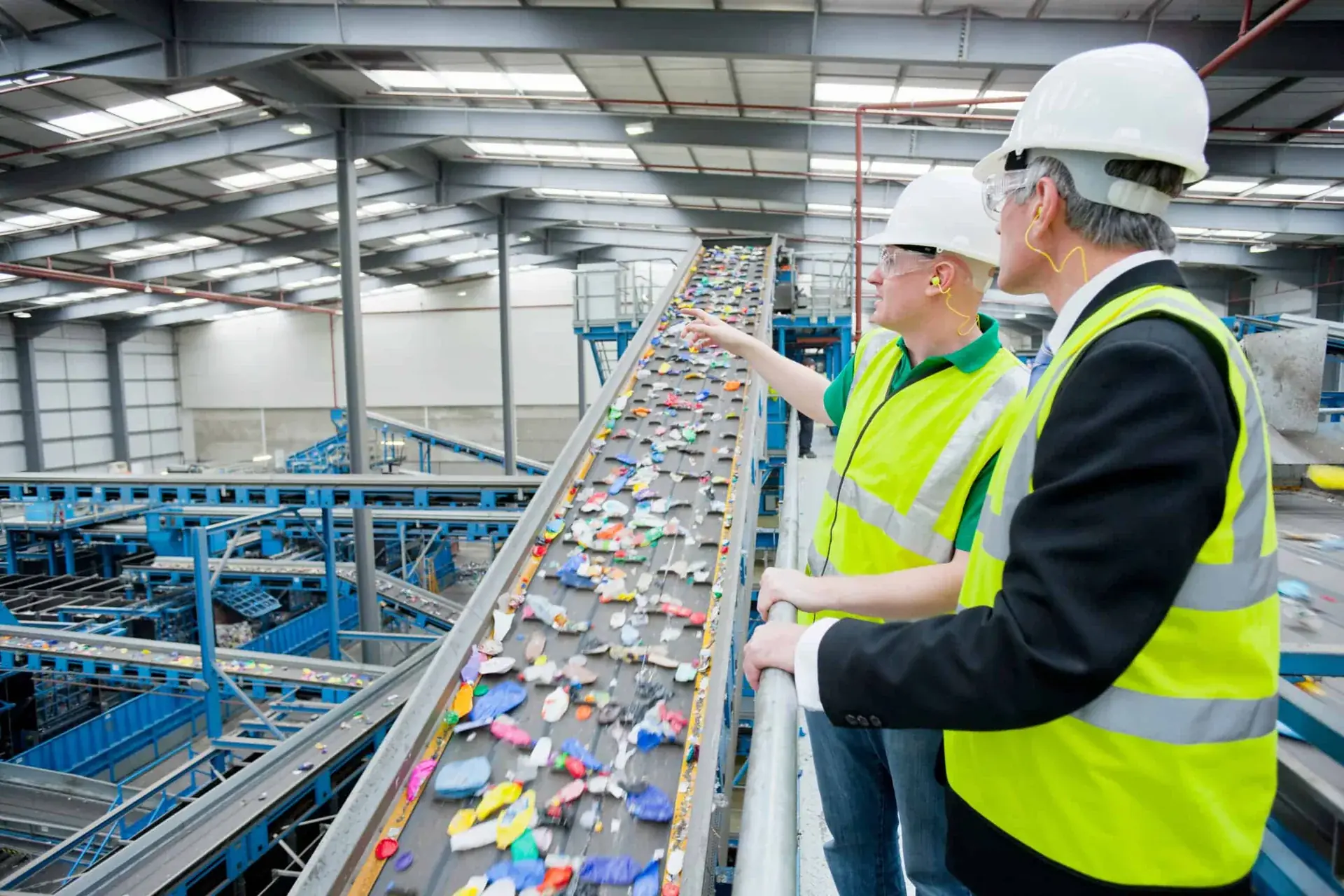
Trained sorters are fast, but PP, PE, and PVC items in similar colours and shapes are genuinely difficult to tell apart by eye at conveyor speed.
Clear PET, clear PP, and PVC are the items most likely to slip through visual sorting — and the most likely to cause bale rejection when they do.
Buyers price on contamination percentage. A bale that tests above their threshold gets bought at scrap rate, or rejected outright, wiping out the margin on material that was 95% correctly sorted.
Carbon-black pigment absorbs the near-infrared signal that most NIR identification, including PlasTell, relies on. No handheld NIR device on the market can reliably read black or carbon-black plastic; it remains an industry-wide identification gap, not a single-vendor shortfall.
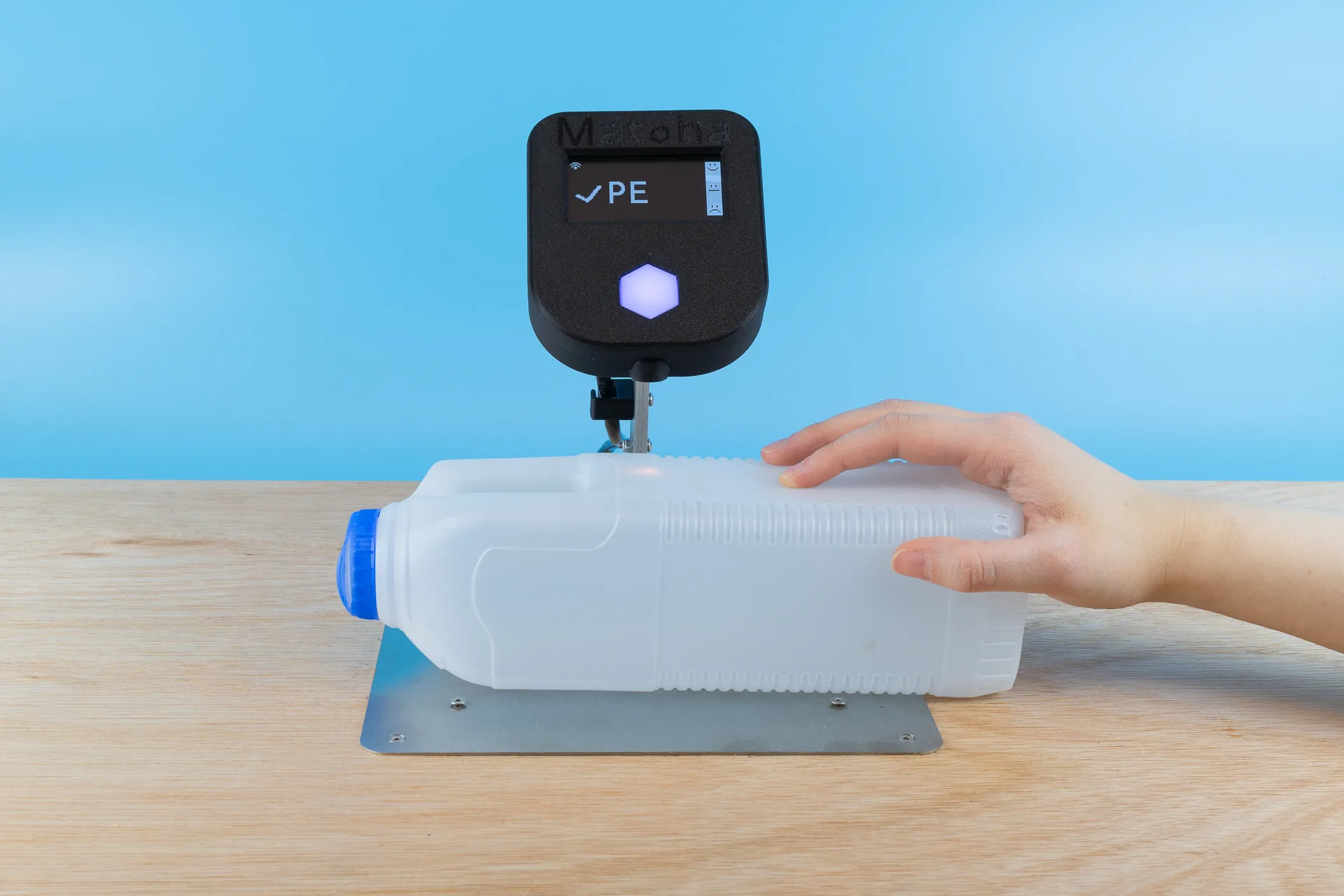
PlasTell handles transparent, translucent, and carbon-black-filled plastics, the categories that cause most "unknown" reads on competing devices.
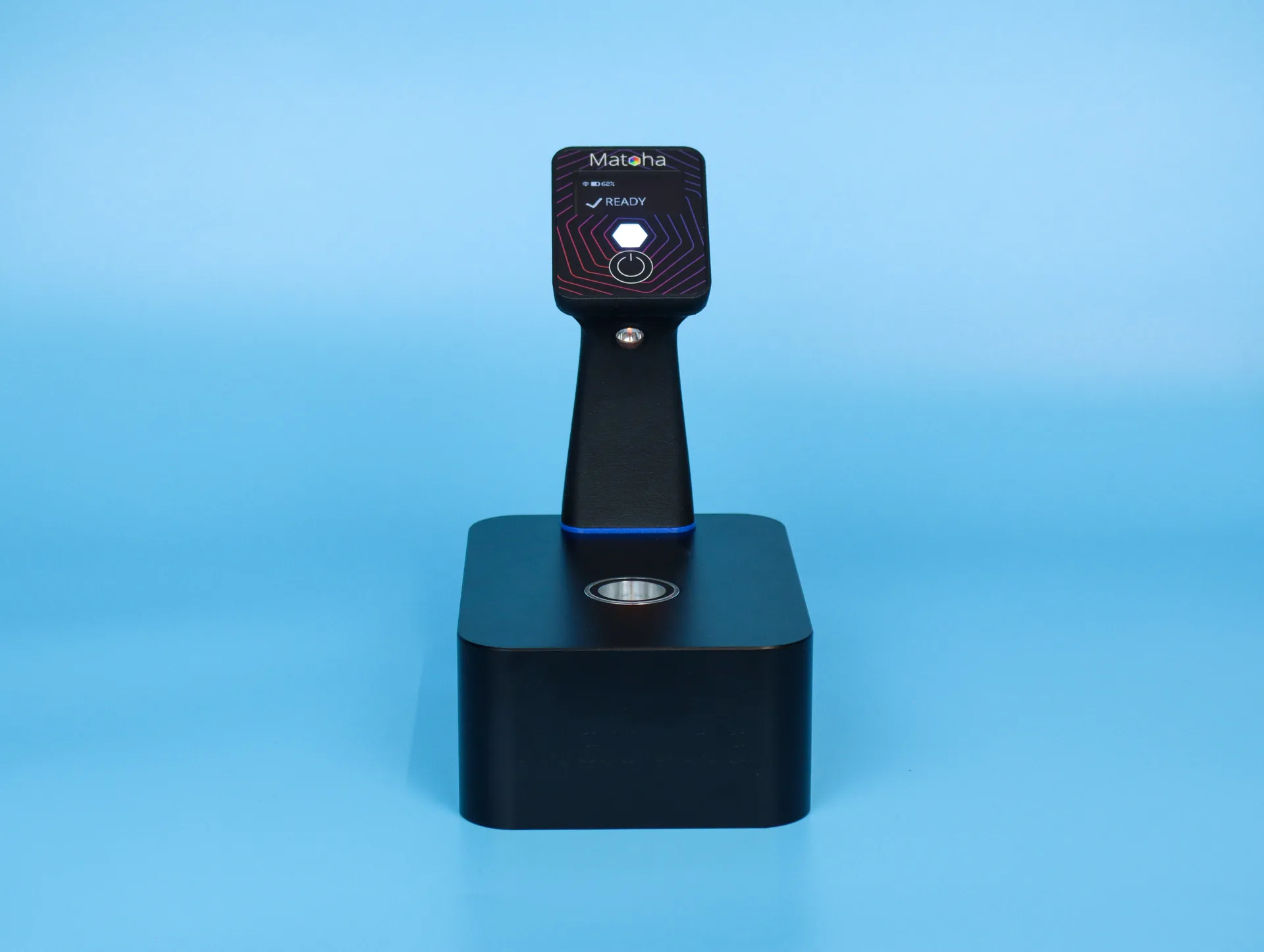
Use PlasTell at quality-control checkpoints and on ambiguous items the line flags, a fast confidence check that protects bale grade without re-engineering the whole process.
Matoha Cloud shows what's flowing through by hour and by operator, spot a contamination spike while it's still cheap to correct, not after the bale ships.
For streams with significant carbon-black content, PlasTell is best paired with a complementary sorting method for that fraction specifically, while handling the other 25+ polymer types with full confidence.
| Stage | Visual sort only | Visual sort + PlasTell spot-check |
|---|---|---|
| Clear / transparent items | ✕ High miss rate | ✓ Reads accurately |
| Similar-coloured polymers (PP vs PE vs PVC) | ✕ Operator judgement only | ✓ Confirmed identity in under 1s |
| Detecting a contamination spike | Found at bale grading, after the fact | Visible on live dashboard, same shift |
| Documentation for buyers | None beyond visual assurance | Logged scan-backed composition |
| Black / carbon-black plastic | ✕ Visual only | ✕ Same industry-wide NIR limitation, pair with a complementary method |
Spot-check the plastics fraction at QC checkpoints downstream of optical sorters, where mixed input means more residual error to catch.
Verify polymer-specific output streams meet buyer purity thresholds before baling, especially on transparent and light-coloured material.
Screen incoming loads before they're consolidated and shipped onward, catch a mis-sorted source before it contaminates everything else.
Identify PVC window frames, PE piping, and PP profiles in mixed C&D waste streams before they're written off as unrecoverable.
Train new operators faster with an objective answer they can check against, building polymer recognition skill over time instead of guessing.
Build the documented composition evidence that downstream buyers and end-of-waste compliance frameworks increasingly expect.
Send us a sample of your stream in advance and we'll prepare the exact polymer split to walk through on a call.